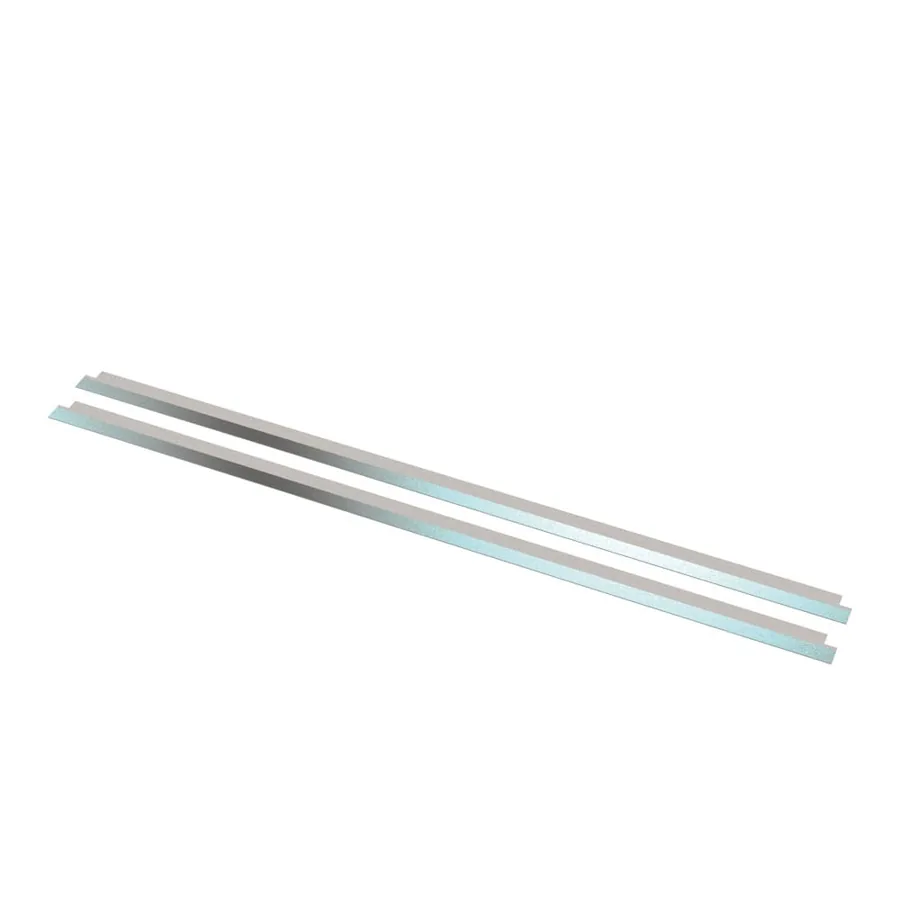
Why blades are used on smooth rolls
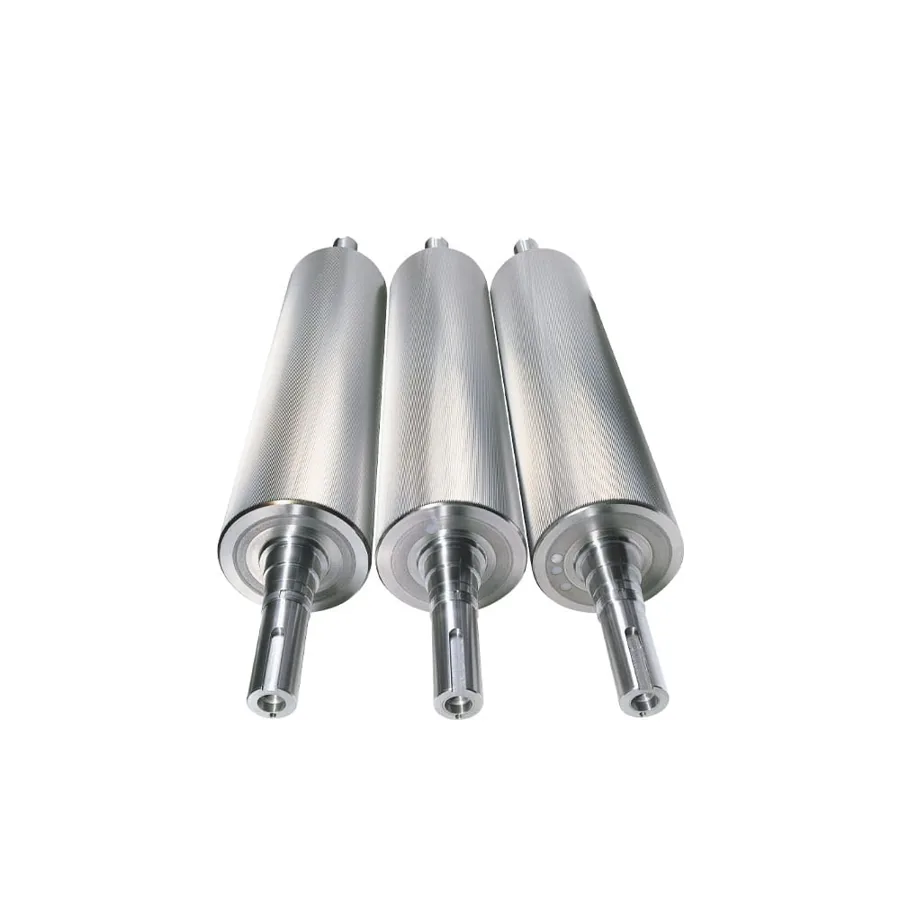
Smooth rolls in the reduction passages crush semolina and coarse flour into flour. Fine product containing oil and moisture can stick to the roll surface in a thin layer. This layer disturbs the grinding gap between the rolls and causes product heating and flaking. The roller scraper blade runs along the roll with a straight edge and constantly scrapes this layer off, keeping the surface clean.
Blade or brush?
- Smooth rolls: on a smooth surface, a blade removes deposits completely.
- Fluted rolls: a blade cannot reach into the flutes, so a roller brush is usually preferred.
Correct adjustment
- The blade must contact the roll with even pressure along its length; where a gap remains, build-up begins.
- Excessive pressure wears the blade and roll surface unnecessarily and causes heat.
- The blade angle is set so that product is scraped off and directed downward.
Signs of wear
- nicks, waviness or rounding along the blade edge,
- a thin product layer remaining on the roll even though the blade passes over it,
- the blade not seating evenly along the roll.
A worn blade lowers grinding quality and can mark the roll surface. Send us the roll length and blade holder dimensions and we will supply the right scraper blade.