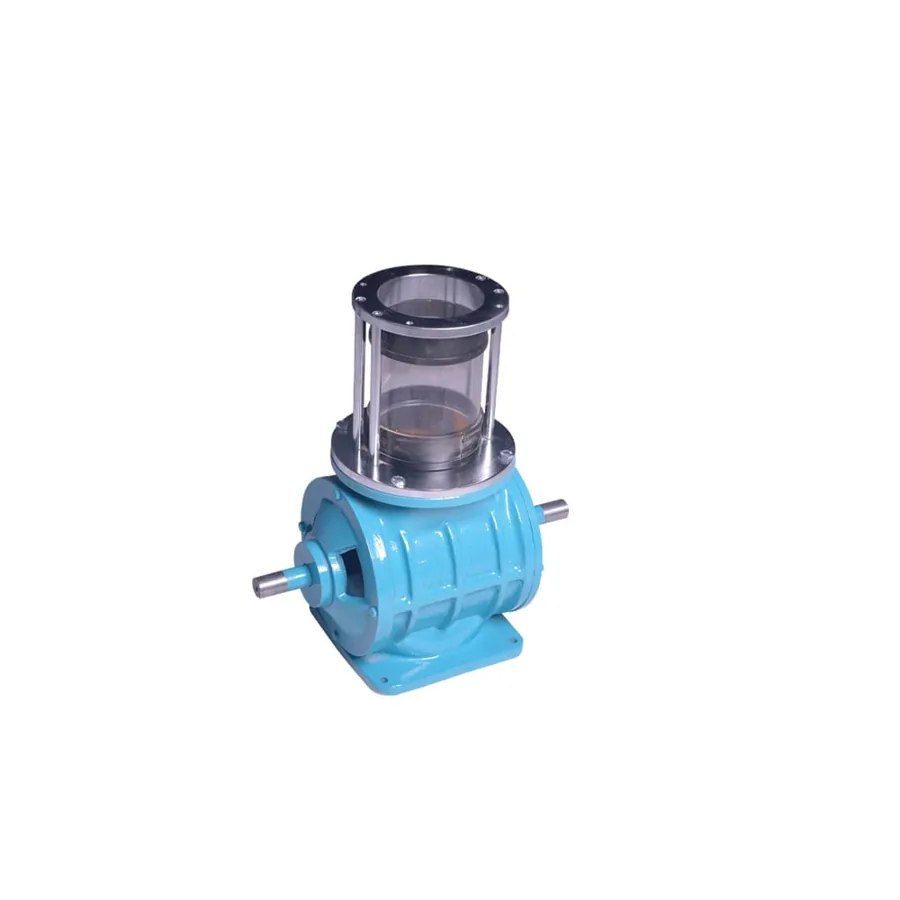
What does an airlock do?
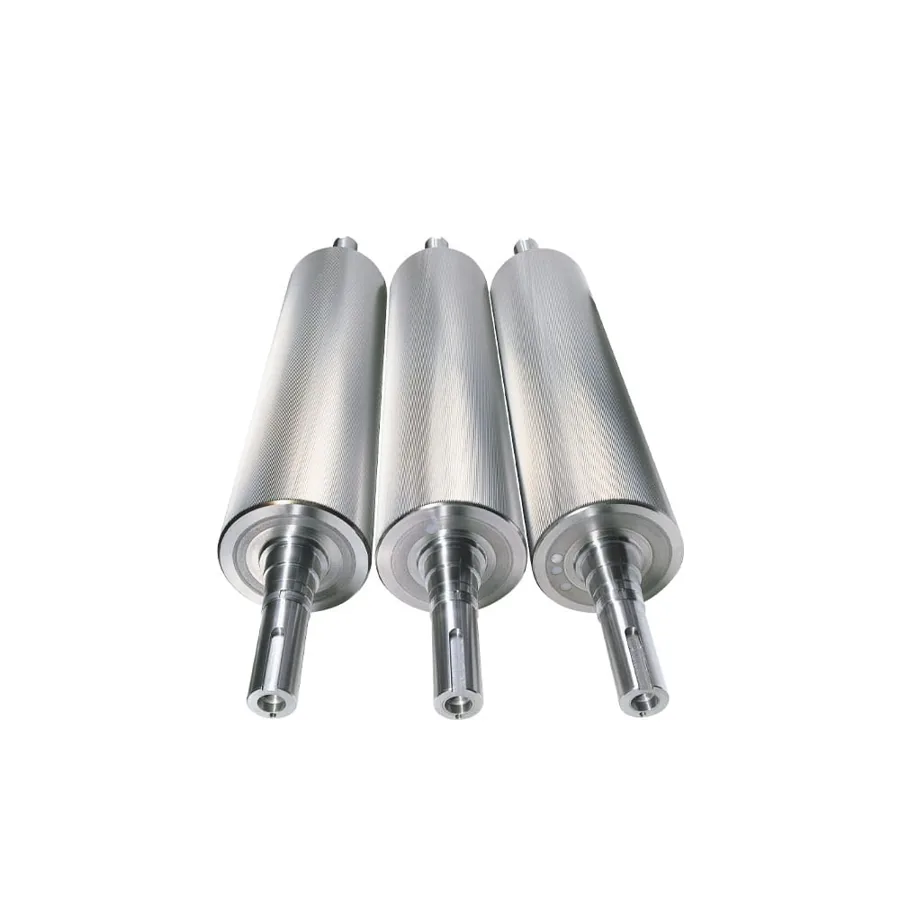
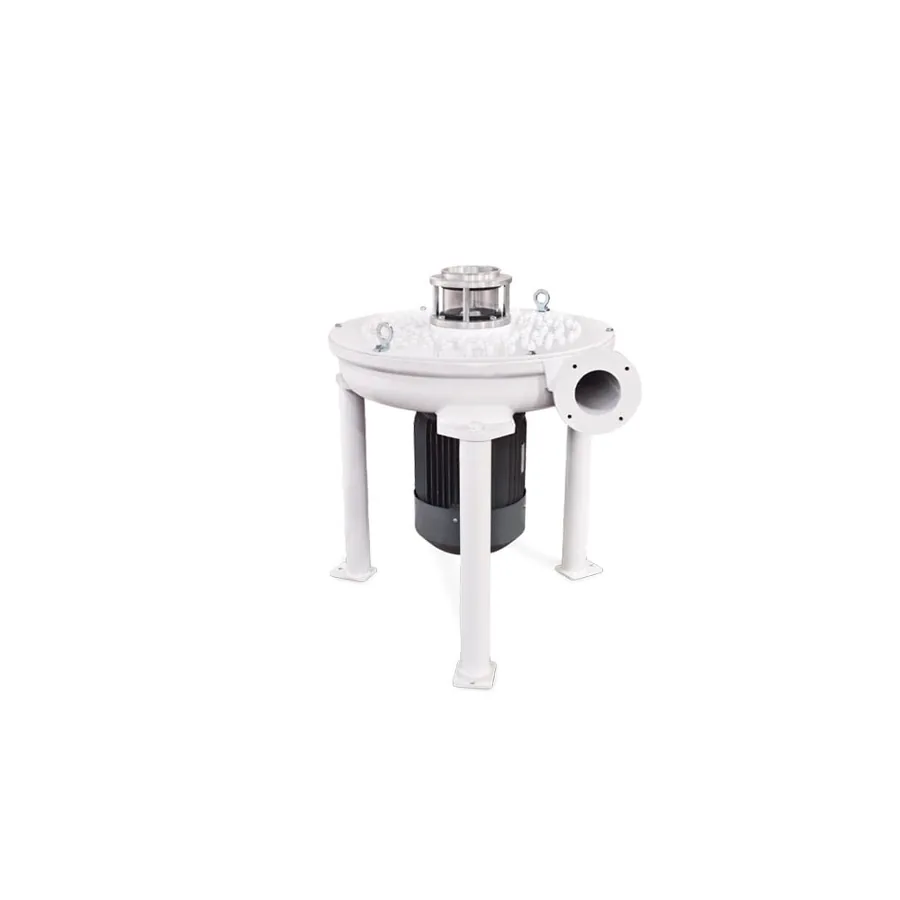
In pneumatic conveying lines and at filter/cyclone outlets, product must pass from one zone to another while there is a pressure difference between them. An open passage there lets air escape and the system loses efficiency. An airlock (rotary valve) uses a bladed rotor turning in a housing to carry product in pockets from one side to the other while largely blocking the passage of air.
Where it is used
- Cyclone outlets: discharging product separated from the pneumatic line,
- Jet filter outlets: returning collected dust to the system,
- Pneumatic line feeding: metering product into a pressurised line,
- Dosing: a steady flow proportional to rotor speed.
What determines performance
- Rotor-housing clearance: the tighter the gap between blade tips and housing, the less air leaks. Wear opens this gap.
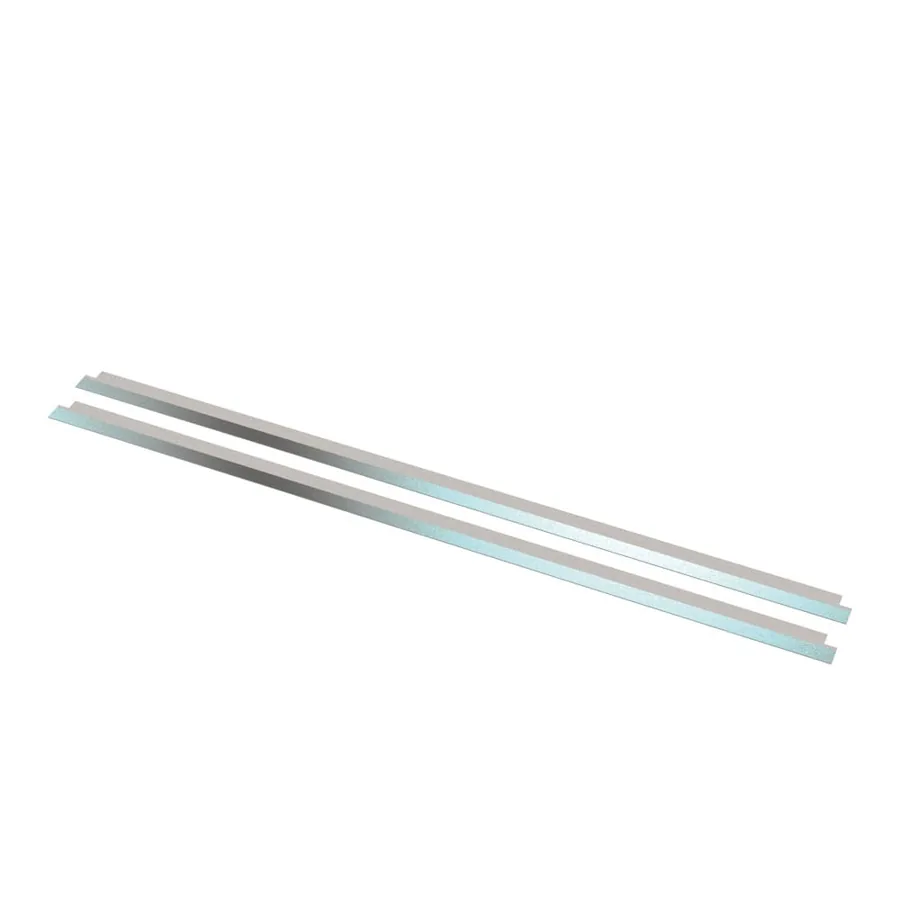
- Blade tips: some designs have replaceable tips.
- Sight glass: lets you check product flow and rotor condition from outside.
Maintenance tips
- Rising air leakage shows up as lower cyclone or filter efficiency; check rotor clearance.
- Check bearings and seals regularly; flour dust entering a bearing shortens its life.
- Foreign objects jamming the rotor strain the motor; a magnet or screen at the inlet protects it.
Send us the flange size, capacity and application point and we will supply the right airlock.