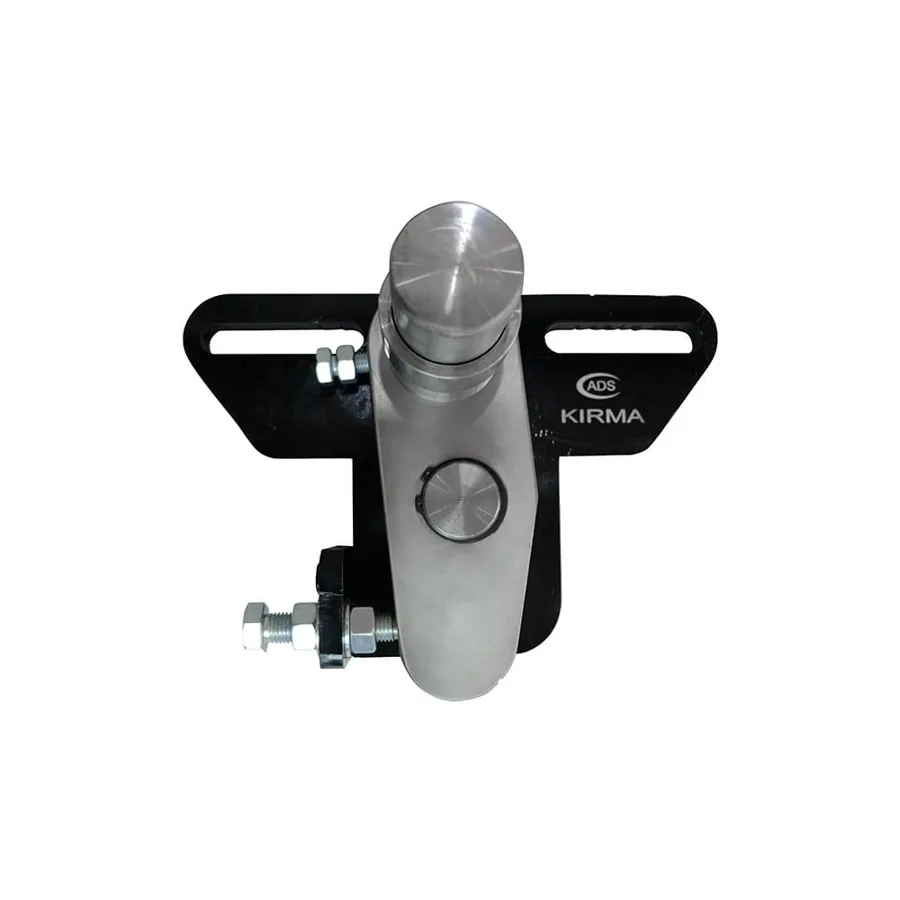
What the tensioner does
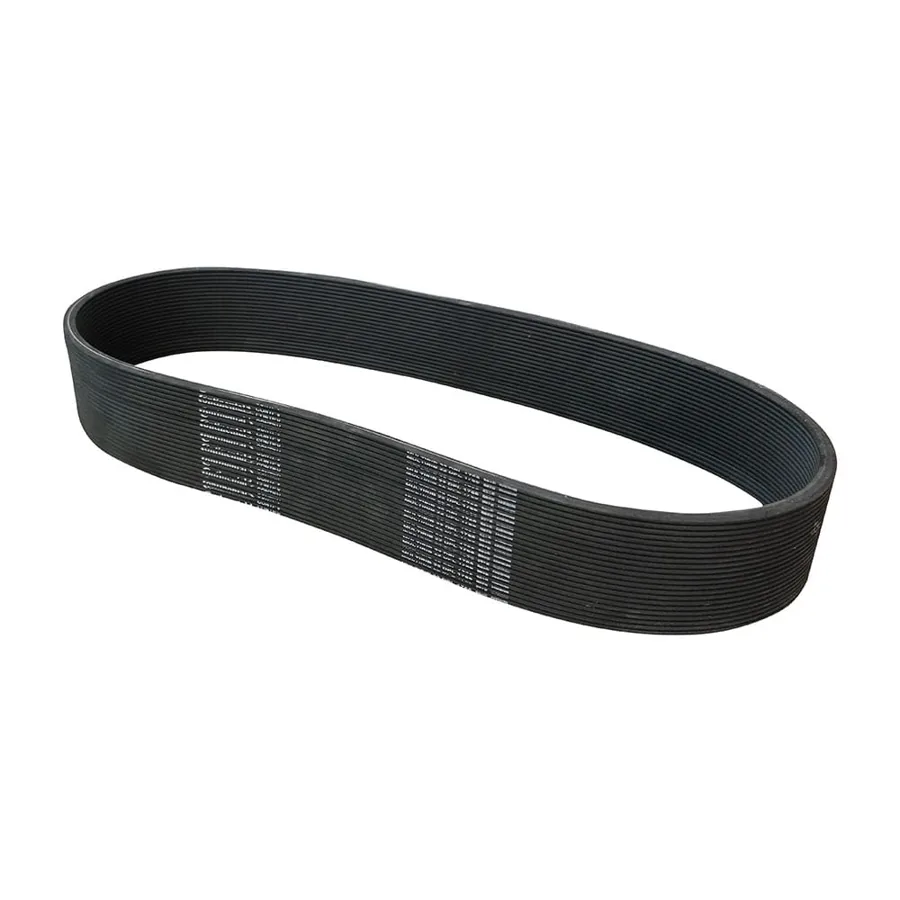
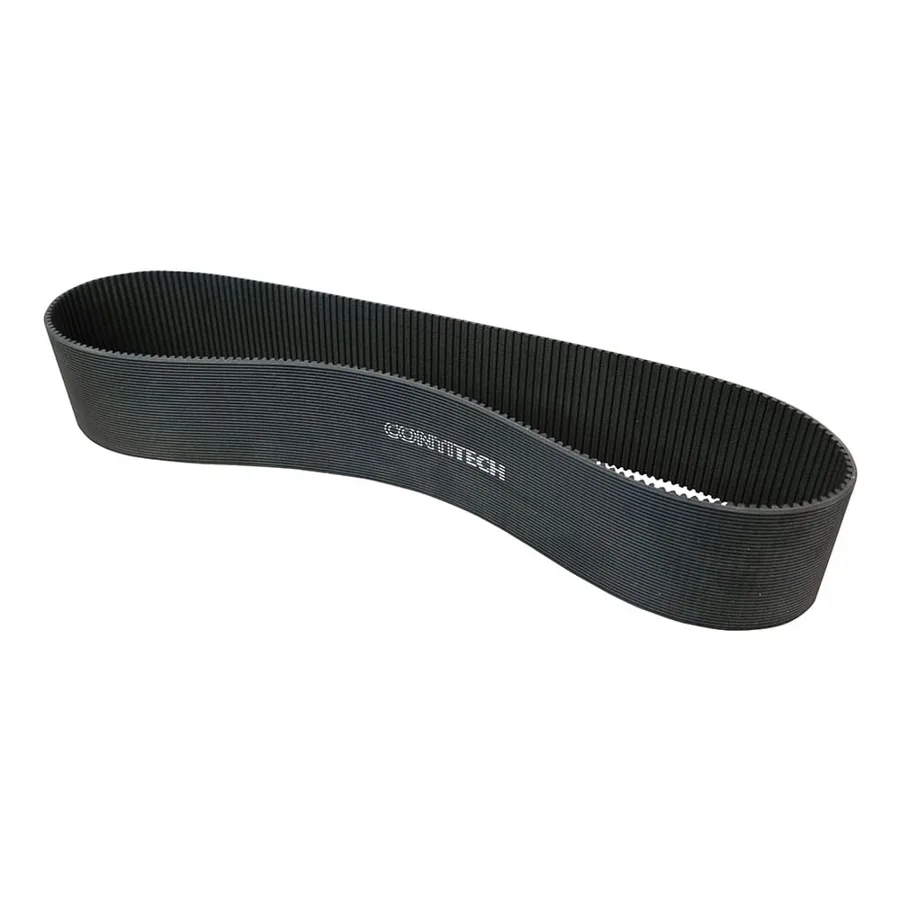
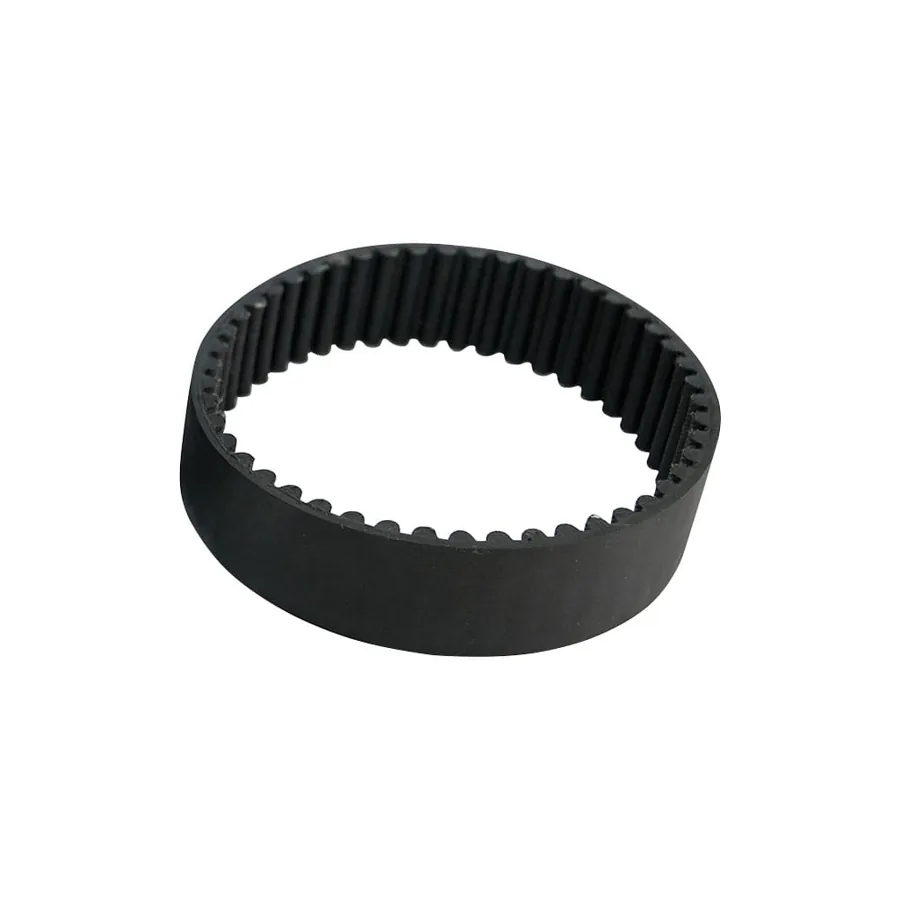
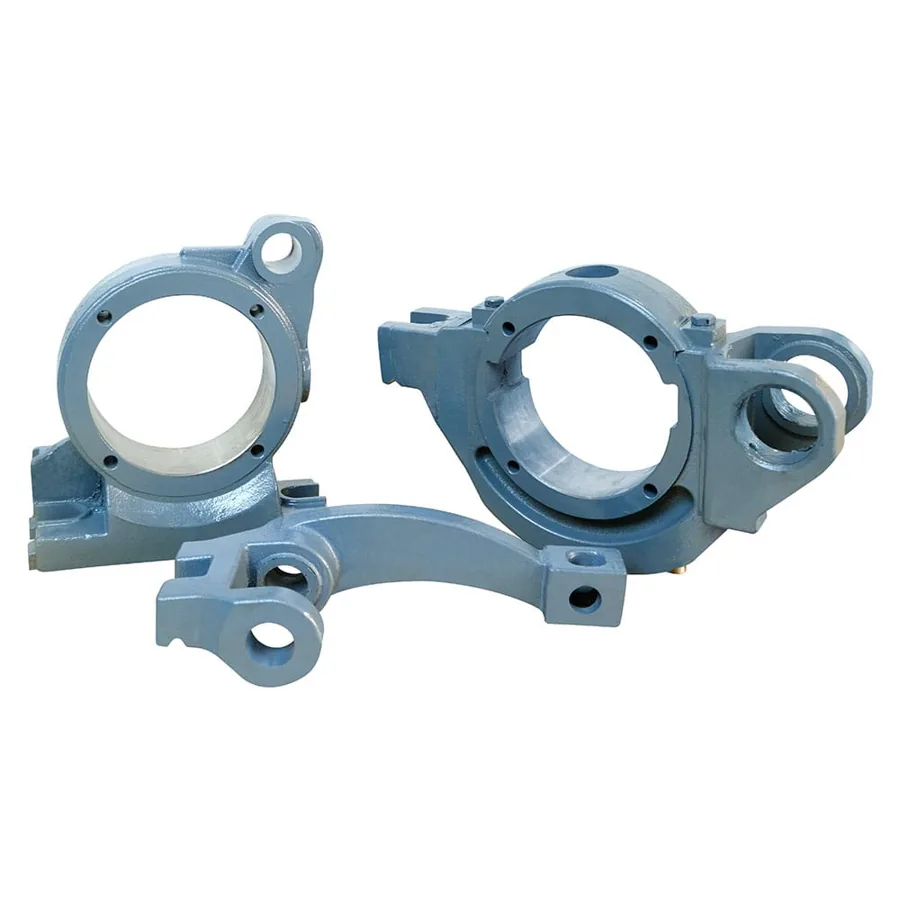
On belt-driven roller mills the belt stretches over time; a stretched belt slips, roll speed drops and heat builds up. The belt tensioner assembly presses a pulley on an arm against the belt to hold tension at the required level. On three-pulley roll sets it also increases the belt’s wrap angle on the pulleys, so the belt grips better.
Its parts
- Tensioner arm: pivots to push the idler towards the belt.
- Idler pulley: the roller that touches the belt and turns on a bearing.
- Bearing and circlips: let the idler turn freely and quietly.
- Adjuster: a screw, spring or weight that sets the arm’s pressure.
Correct adjustment
Too little tension and the belt slips, especially at start-up; too much and it strains the roll and motor bearings and ages the belt early. Set it to the belt maker’s value and check again in the first hours after fitting a new belt; new belts bed in a little at first.
Fault signs
- Hum or grinding from the idler: worn bearing.
- Idler wobble: bearing play or worn pivot.
- No adjustment left: the belt has stretched too far and needs replacing.
- Belt slipping or tracking off the idler: misalignment.
Maintenance
Check the bearing periodically; turned by hand the idler should spin smoothly and quietly. Keep the pivot clean. We supply the assembly and its bearing separately or together with PL22 sets.