
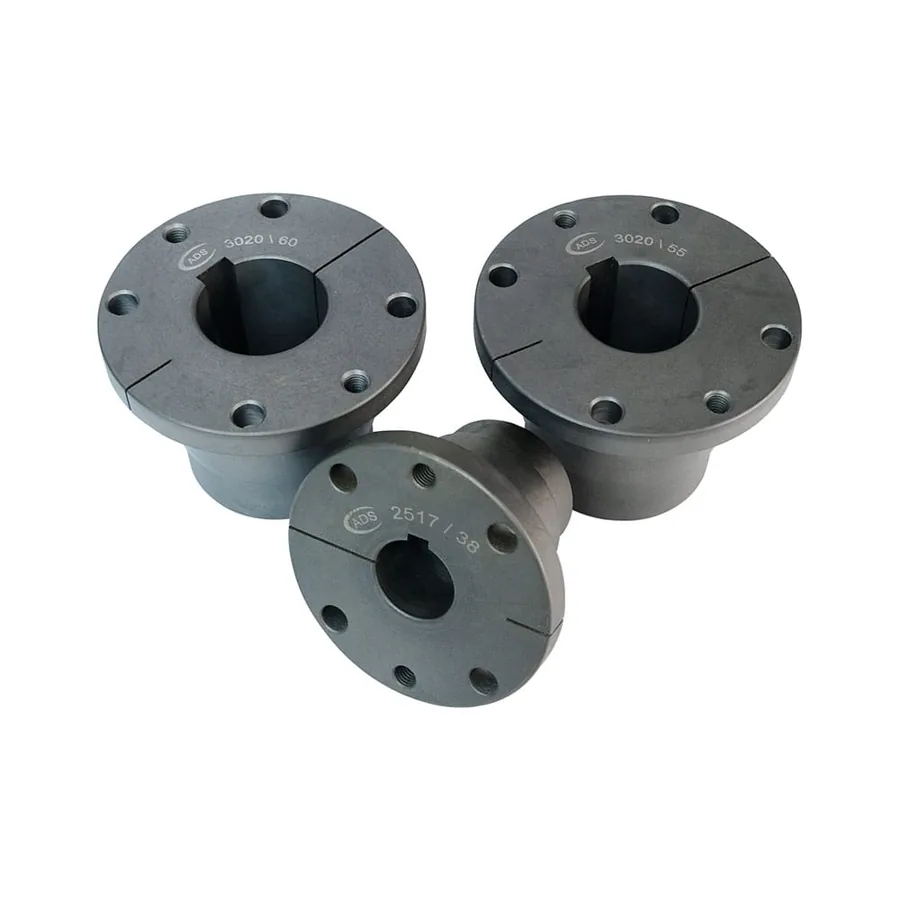
A demanding job in the sifter drive
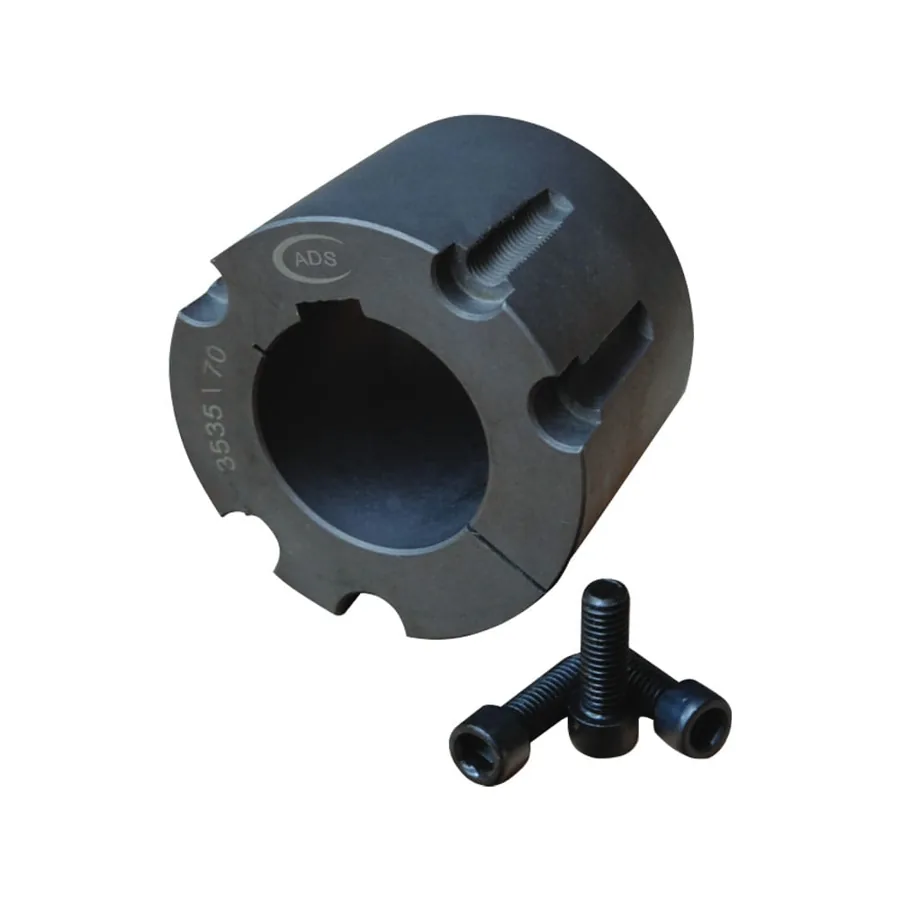
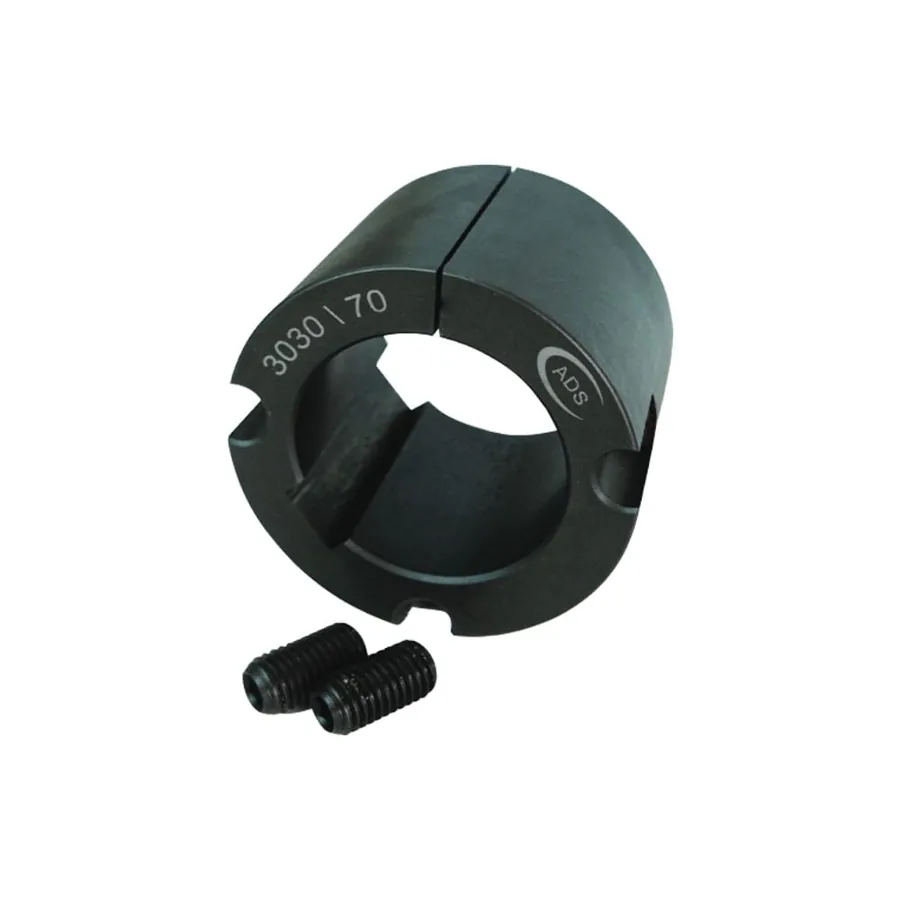
Plansifters oscillate in a circle all day. At every start the drive pulley sets the sifter’s large mass in motion, and in operation it is under constantly changing load. Sifter pulley bushes fix these pulleys to the shaft and carry all that load through friction and the key. Working in a vibrating environment, they are among the connections that need the most attention against loosening.
Signs of loosening
- Slight wobble or noise from the pulley in operation,
- Rust-coloured dust (fretting corrosion) between bush and shaft or bush and hub,
- Wear in the keyway and a loose key,
- Sudden loss of belt tension.
A loose bush quickly wears the shaft and hub; at that point you may need to replace not just the bush but the shaft and pulley too.
Correct fitting and inspection
- Clean the tapered surfaces and shaft; do not apply oil or grease.
- Fit the key and tighten the screws in turn to the recommended torque.
- Re-check the torque after the first few hours of running.
- Inspect the bush screws during routine maintenance, especially if the sifter has braking or start-up problems.
Supply
Send us the series code of the bush in your sifter pulley (e.g. 3020) and the shaft diameter, and we ship the right bush from stock. Renewing the bush when replacing a sifter pulley keeps the pulley seated as true as on day one.