
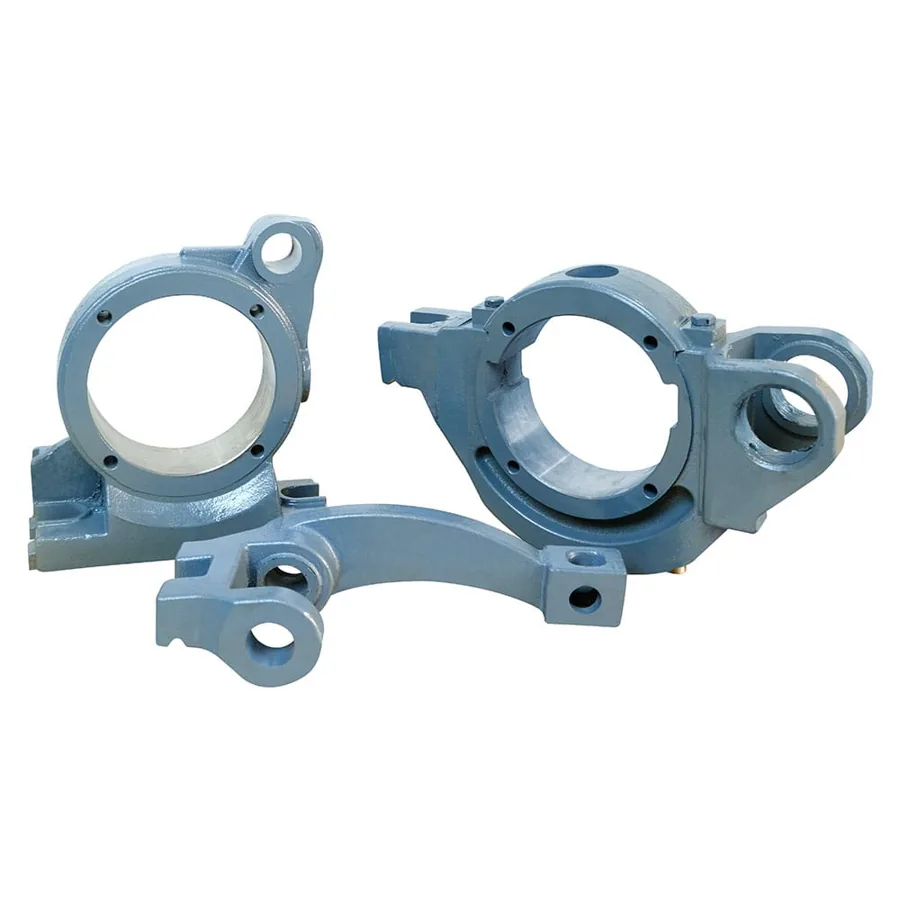
What the bearing housing does
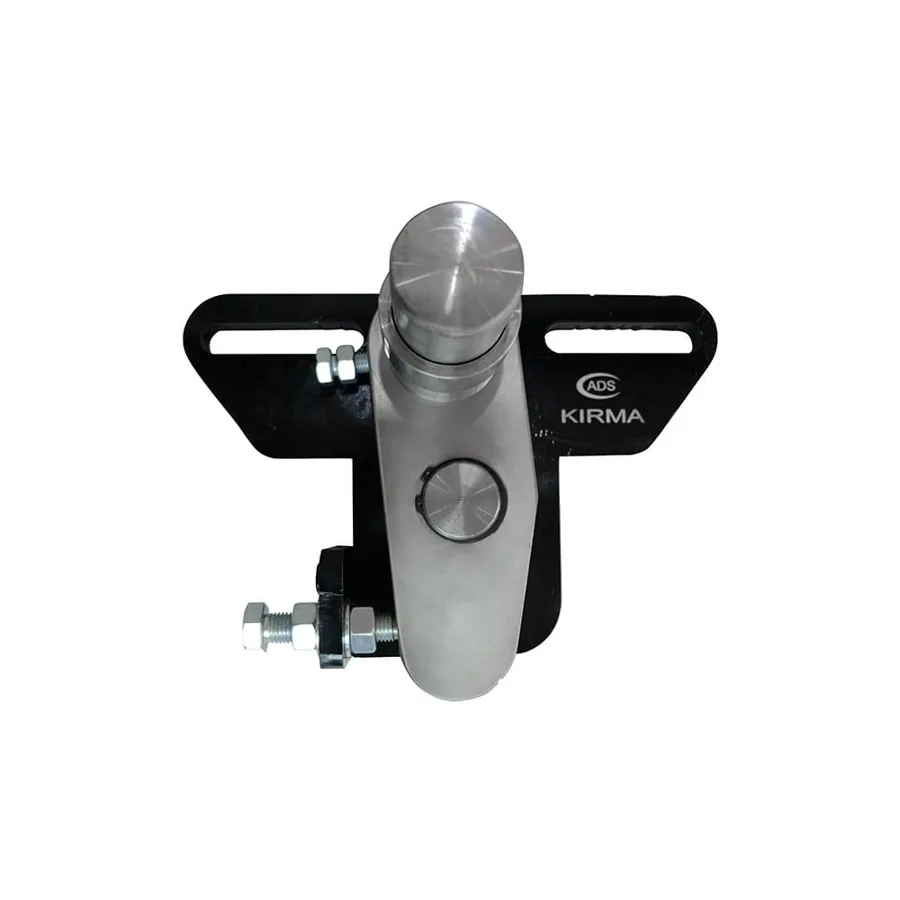
On a roller mill each roll sits at both ends in bearing housings. The housing holds the bearing that carries the roll shaft, protects it from dust and connects the roll to the mill frame. The grinding pressure between the rolls goes straight into these housings, so their strength and precision directly affect grinding quality.
Roll parallelism and the housing
The gap between the two rolls must be the same at every point along the roll. If the housing wears, its seating faces on the frame deteriorate or the bearing develops play, the roll moves out of line at one end. The result: one end grinds finer and the other coarser, flour quality fluctuates and the roll surface wears unevenly.
Temperature monitoring
Bearing temperature gives the earliest warning about a roller mill’s health. Checking housings regularly by hand or with a non-contact thermometer is recommended. A housing noticeably hotter than the others can indicate:
- too little or too much lubrication,
- bearing damage or contamination,
- excessive roll pressure or belt tension.
Lubrication and sealing
Grease the bearing with the grease and intervals the maker recommends; too much grease also causes heat. Seals and covers keep flour dust out; a damaged seal soon becomes a bearing failure.
Replacement
If the body is cracked, the seating faces are worn or the bearing seat has play, the housing should be replaced. Send us the mill model and the dimensions of the current housing and we will supply the right roller mill bearing housing.