Why temper wheat?
Before milling, wheat is brought to a set moisture and left to rest; this is called tempering (conditioning). Tempering makes the bran more pliable so it breaks up less during milling, and mellows the endosperm so it grinds more easily. Properly tempered wheat gives higher flour extraction, lower ash and lower energy use. The amount of water and resting time are adjusted to the wheat’s hardness and initial moisture.
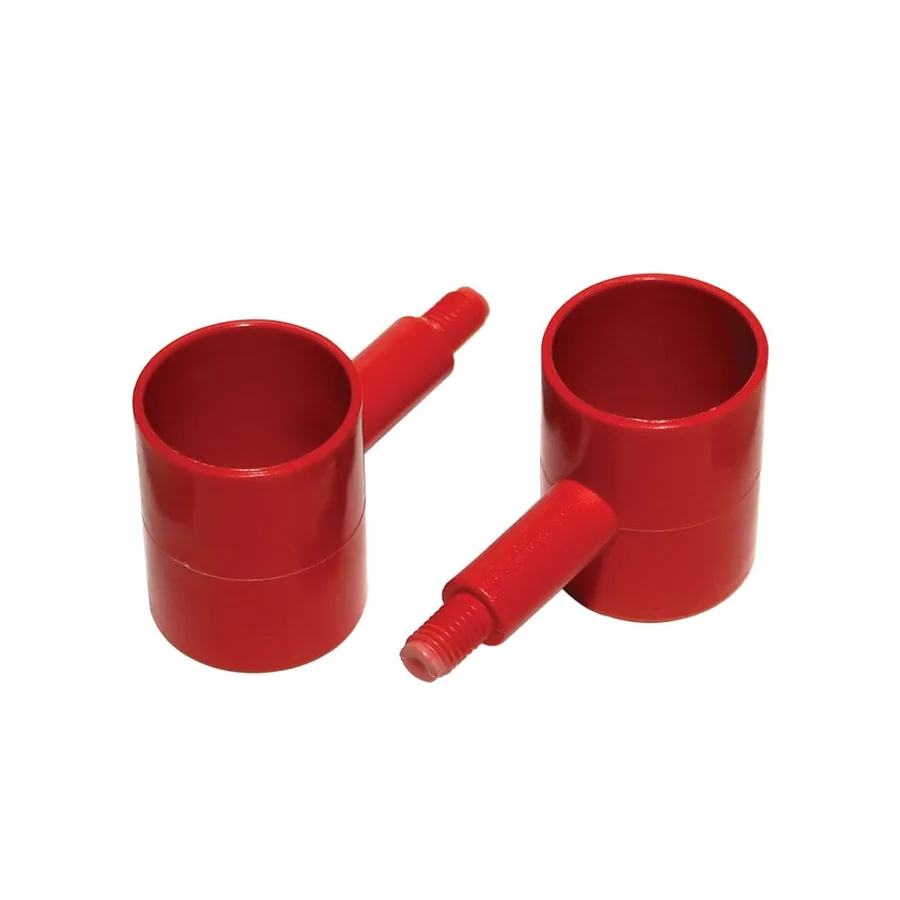
What is a tempering scoop for?
A tempering scoop is a sturdy handled scoop used for daily tasks in the tempering and cleaning sections:
- Sampling: taking wheat samples for moisture measurement before and after tempering,
- Checking: visual checks of product at the tempering bin outlet,
- Transfer: carrying small quantities by hand and feeding them to a hopper.
Sampling correctly
- Take samples from flowing product and at different times; a single-point sample can mislead.
- Put the sample in a closed container straight away; a sample left open loses moisture.
- Measure after tempering only once the resting time is complete.
Hygiene
Clean the scoop after use, do not leave it damp and hang it up rather than putting it on the floor. Choose scoops made of food-grade, break-resistant material. We supply tempering scoops suitable for mill use.