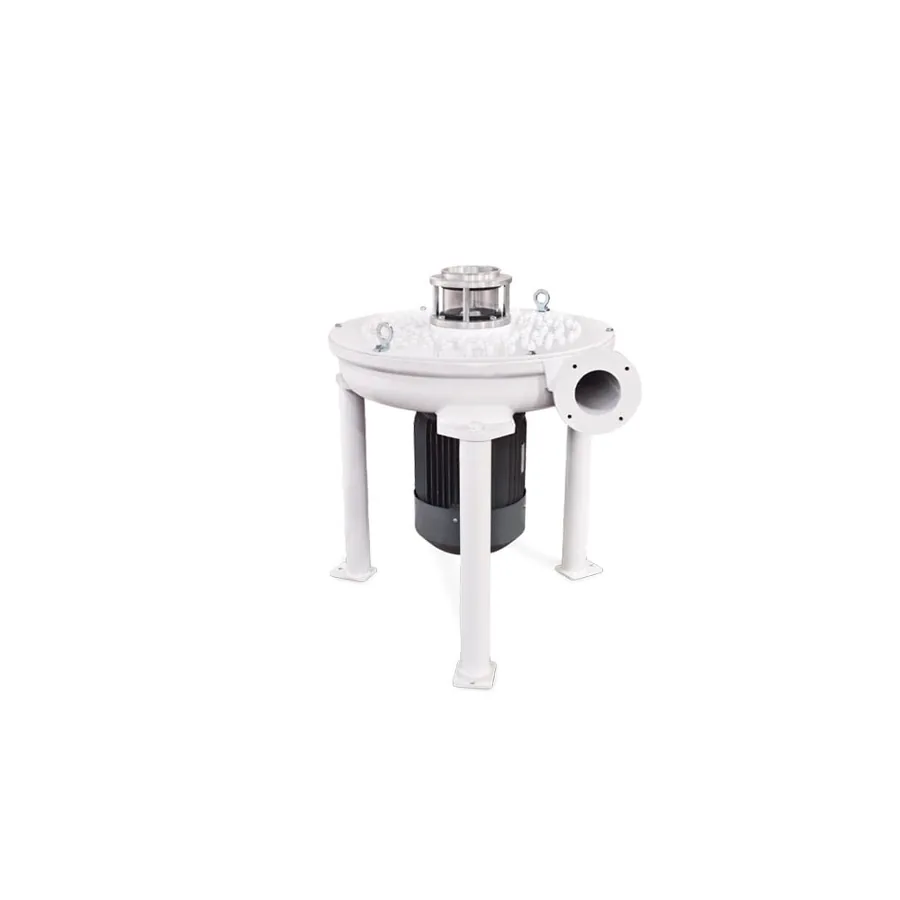
Flakes in the reduction passages
As smooth rolls crush semolina into flour, especially at high roll pressure part of the product flattens and sticks together into small flakes. Flour that could be sifted becomes trapped inside them. If the flakes go straight to the sifter, the flour cannot pass the sieves; it is carried to the next passage and the mill load rises needlessly.
How a detacher works
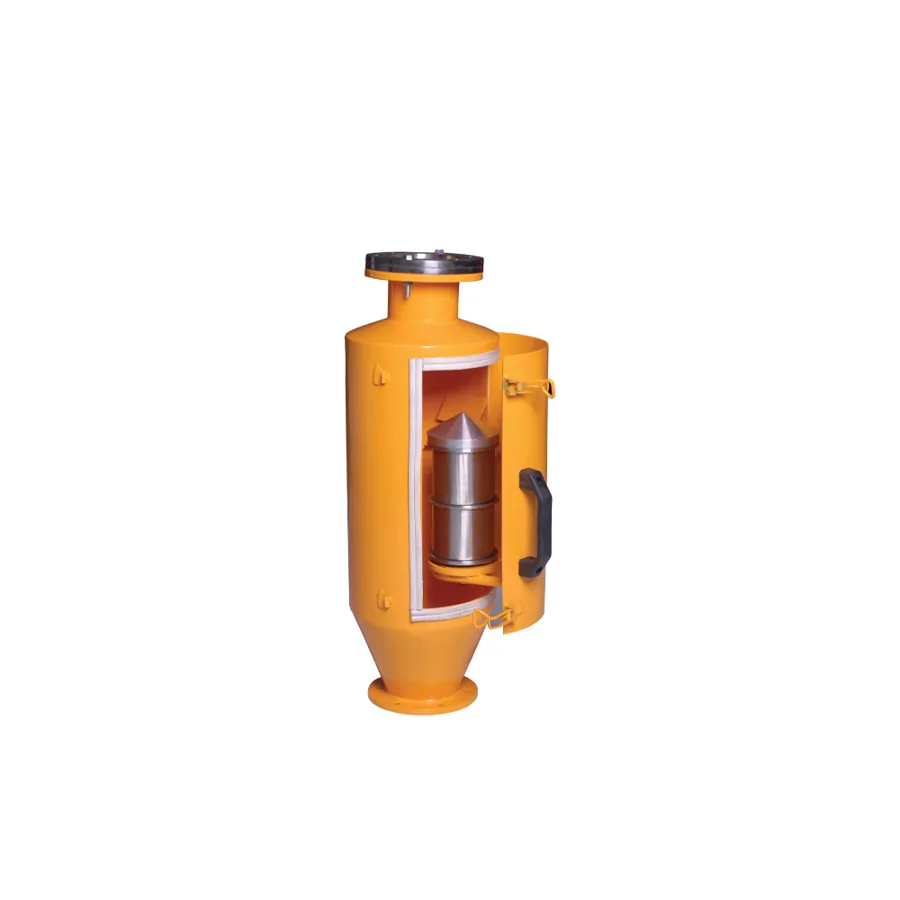
A detacher is placed between the roll outlet and the sifter. Inside it, a pinned or bladed rotor turns at high speed. Product strikes the rotor and disperses; the flakes open and the flour inside is released. The action is intense enough to break up the compacted structure without shattering bran particles.
Benefits
- Better sifting: released flour is separated at the first sifting.
- Lower passage load: less product goes on to the next rolls; capacity and energy efficiency improve.
- Roll setting flexibility: smooth rolls can run at a more effective grinding setting.
Use and maintenance
- Usually fitted after smooth rolls in reduction passages, on a pneumatic line or gravity spout.
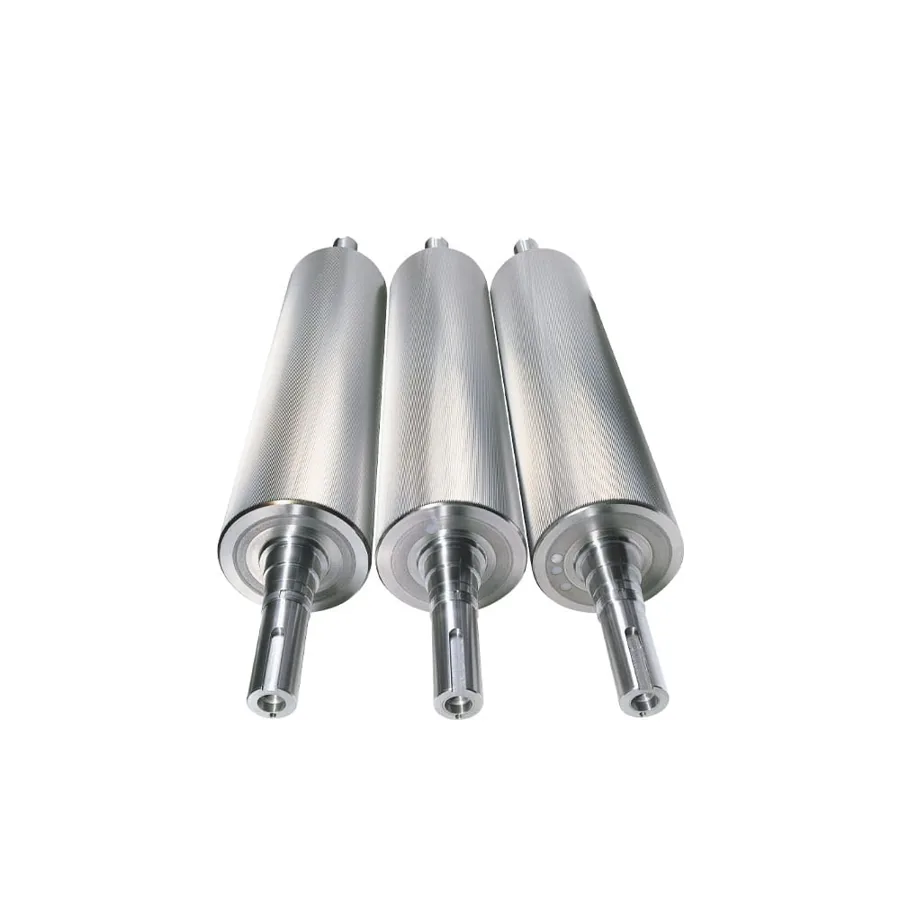
- Rotor pins or blades wear over time, reducing the dispersing effect.
- Check bearings and rotor balance regularly; imbalance causes vibration and noise.
Send us the capacity and connection dimensions and we will supply the right detacher and its spare parts.