
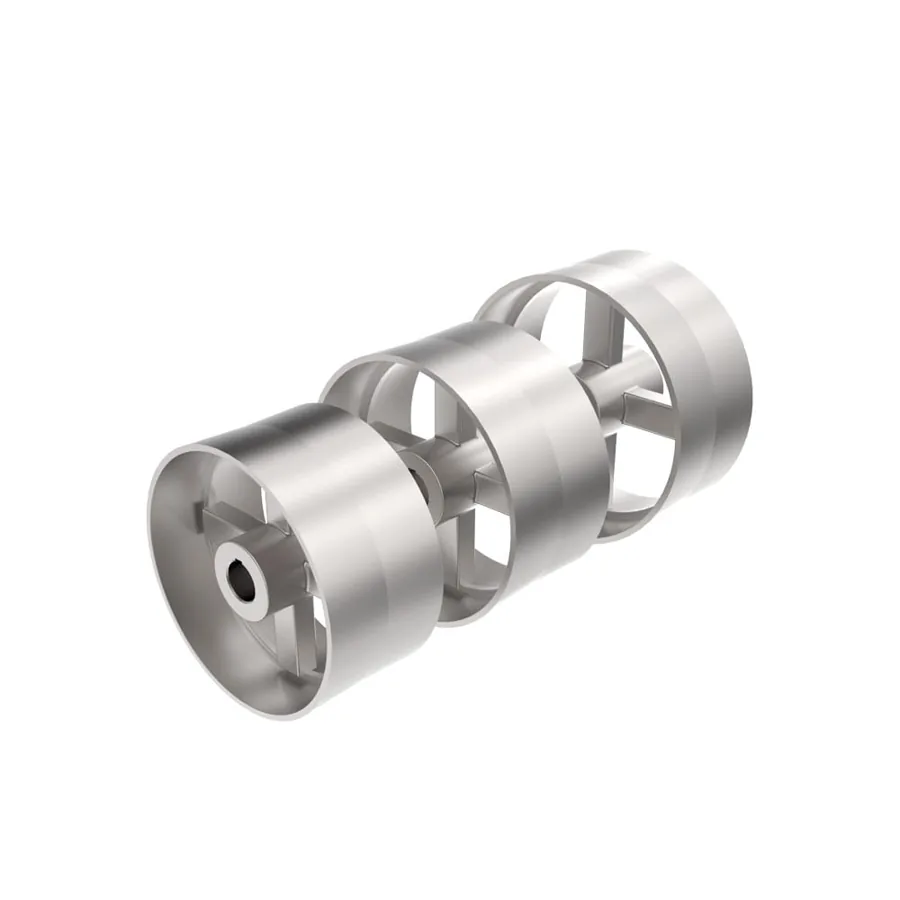
The two pulleys in an elevator
In a bucket elevator the belt runs between two pulleys: the head pulley at the top takes drive from the motor and gearbox and pulls the belt, while the boot pulley at the bottom guides the belt and, with the take-up, sets its tension. Elevator pulley is the general name for these drums that carry the bucket belt.
Why crowning matters
Elevator pulley faces are usually machined slightly fuller in the middle, i.e. crowned. The crown helps keep the belt centred and reduces it running to one side and rubbing the elevator casing. Rubbing damages the belt and buckets, and frictional heat is an unwanted risk in a dusty environment.
Lagging and grip
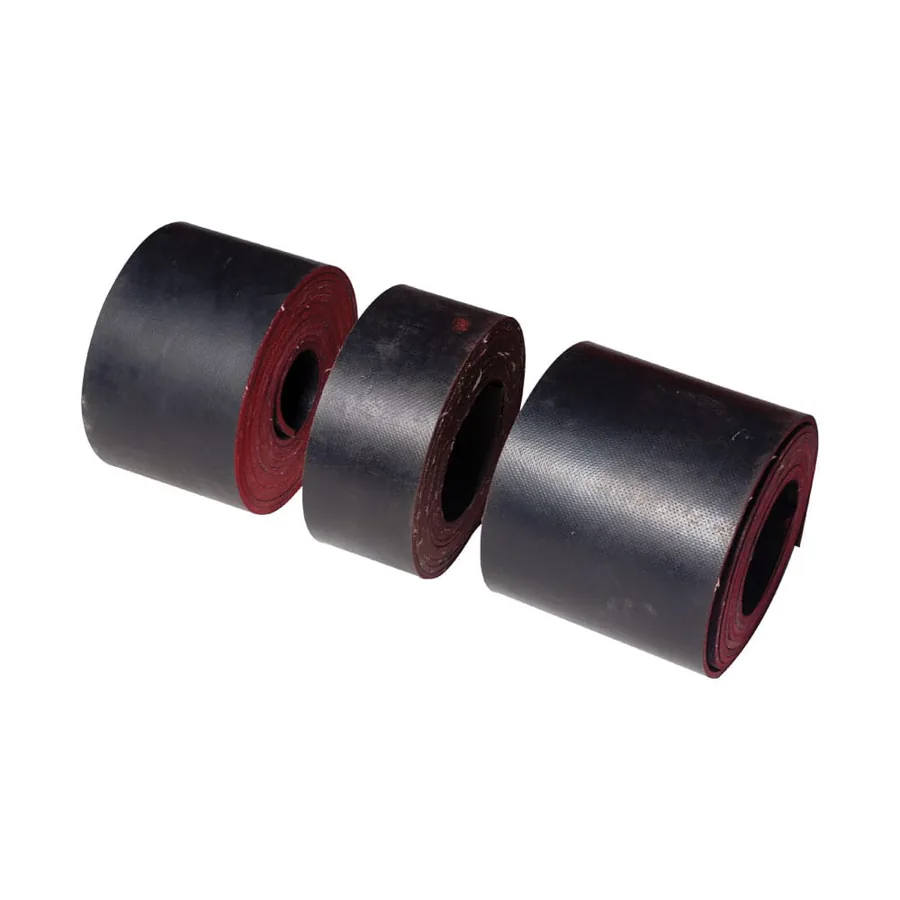
The head pulley must pull the belt without slipping. In some applications the pulley face is rubber-lagged to improve grip. Slip causes lost capacity, belt and pulley wear and heat. If slip is suspected, check belt tension and pulley surface together.
Choosing diameter and width
- Pulley width should be slightly greater than belt width.
- Diameter depends on belt type, bucket size and elevator speed. Bucket discharge is directly linked to head pulley diameter and speed.
- Hub and shaft connection should suit the drive power.
Maintenance
Worn faces, a flattened crown, peeling lagging or bearing play cause the belt to mistrack. Send us your elevator pulley’s diameter, width and shaft size and we will prepare the right pulley.