Why metal is dangerous
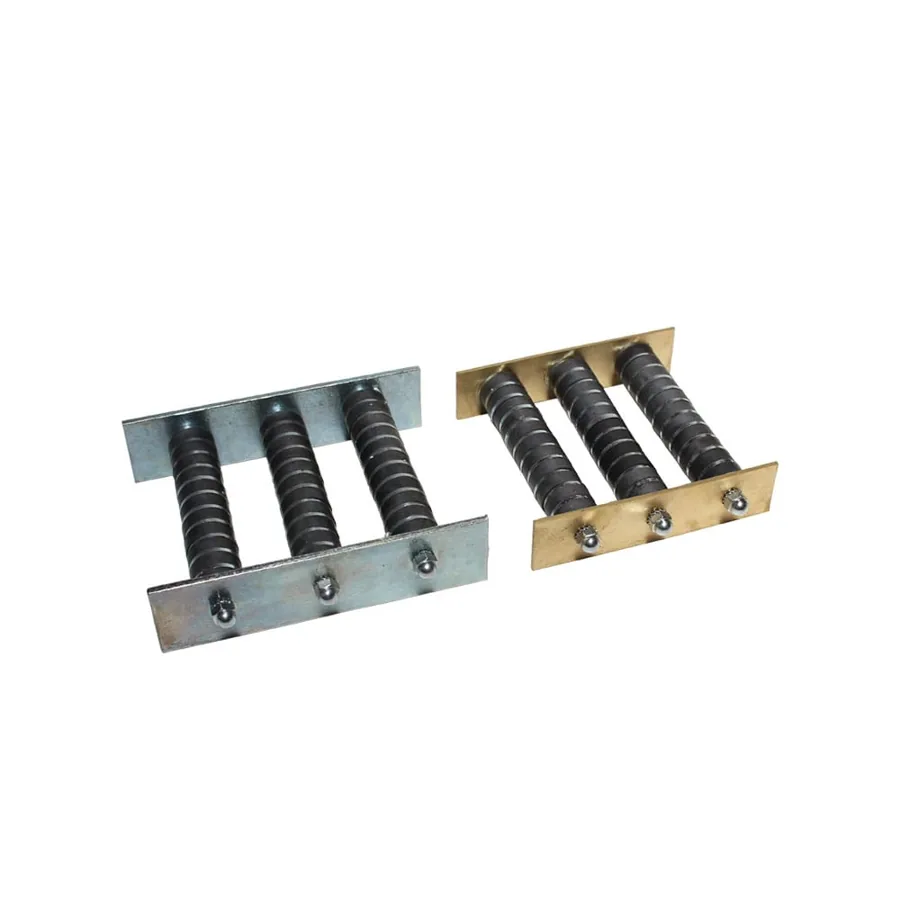
During harvest, transport and storage, ferrous pieces such as bolts, nuts, wire and nails can get into grain. They damage mill rolls, scourer rotors and elevator buckets; more importantly, they can strike sparks in the milling line and raise the risk of dust explosions. Metal in finished product is also a serious food safety issue. That is why magnetic separators are placed at critical points from the cleaning section to packing.
How a bullet magnet works
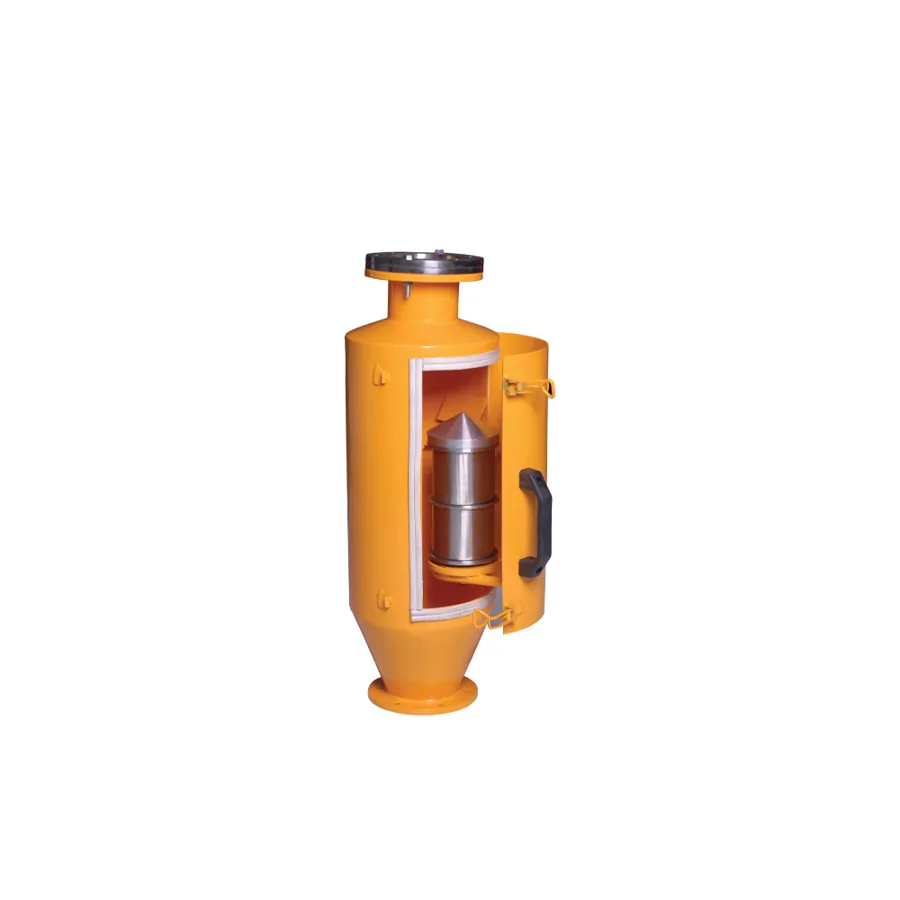
A bullet-type magnet consists of a tubular housing with an aerodynamic, bullet-shaped permanent magnet core in its centre. As product flows down the spout it streams around the core, and ferrous particles are held on the magnet surface. The pointed shape lets product pass close to the magnet without obstructing flow.
Where it is placed
- on roller mill feed spouts, to protect the rolls,
- at the inlets of scourers and grinders,
- on the finished product line as a final check before packing.
Its flanged housing, chosen to match the spout diameter, makes it easy to fit to an existing line.
Cleaning and checks
- Clean collected metal from the magnet surface regularly; a loaded magnet cannot hold new pieces.
- Recording what you collect helps locate where problems arise in the line.
- Magnet strength can fall over time and at high temperatures; periodic checks are recommended.
Send us your spout diameter and we will supply the right bullet magnet.