The point that wears most in a pneumatic line
In pneumatic conveying, product is carried through the pipe by a high-velocity air stream. In straight pipe it travels suspended in air, but at direction changes centrifugal force throws it against the outer wall of the bend. That is why the bend is the fastest-wearing part of a pneumatic line, and the effect is stronger with abrasive products such as bran and wheat.
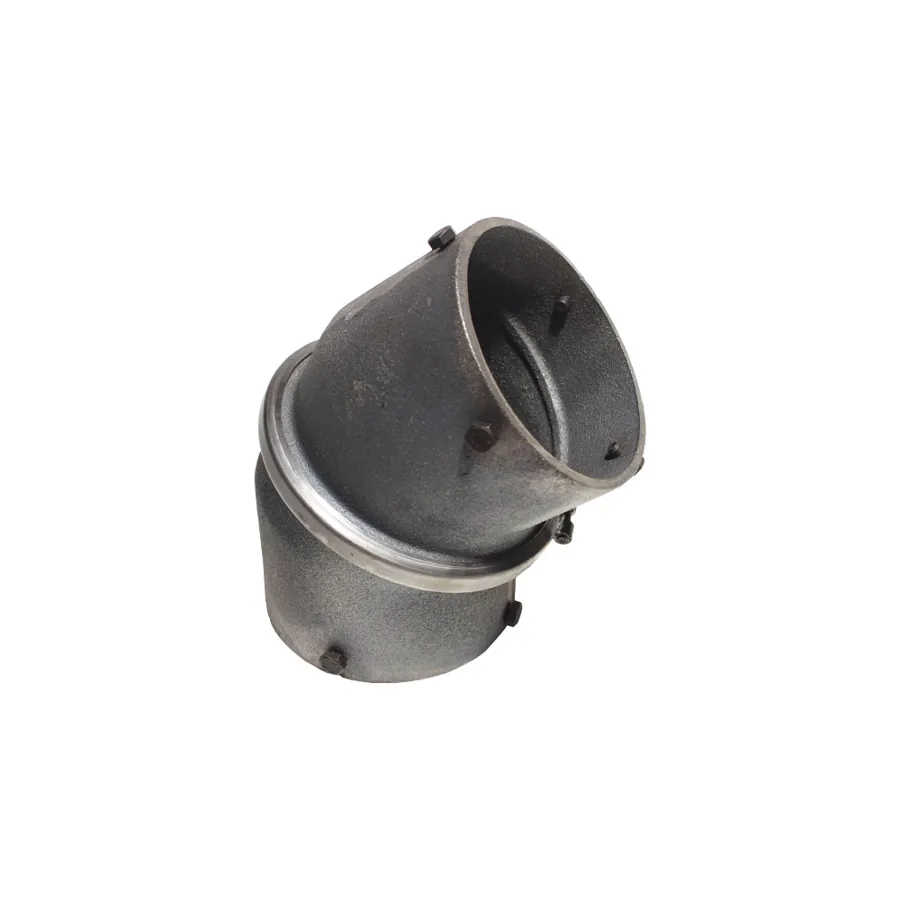
Why a cast elbow?
A cast elbow has a much thicker wall than bends formed from thin sheet. The thick outer wall lasts a long time where product impact is concentrated. A cast body also keeps its shape and resists deformation.
How to check wear
- Look for thinning or holes on the outer radius of the bend.
- A sudden pressure drop in the line or flour dust escaping around the bend can indicate a hole.
- Measuring outer wall thickness at routine maintenance lets you plan replacement before it wears through.
Fitting points
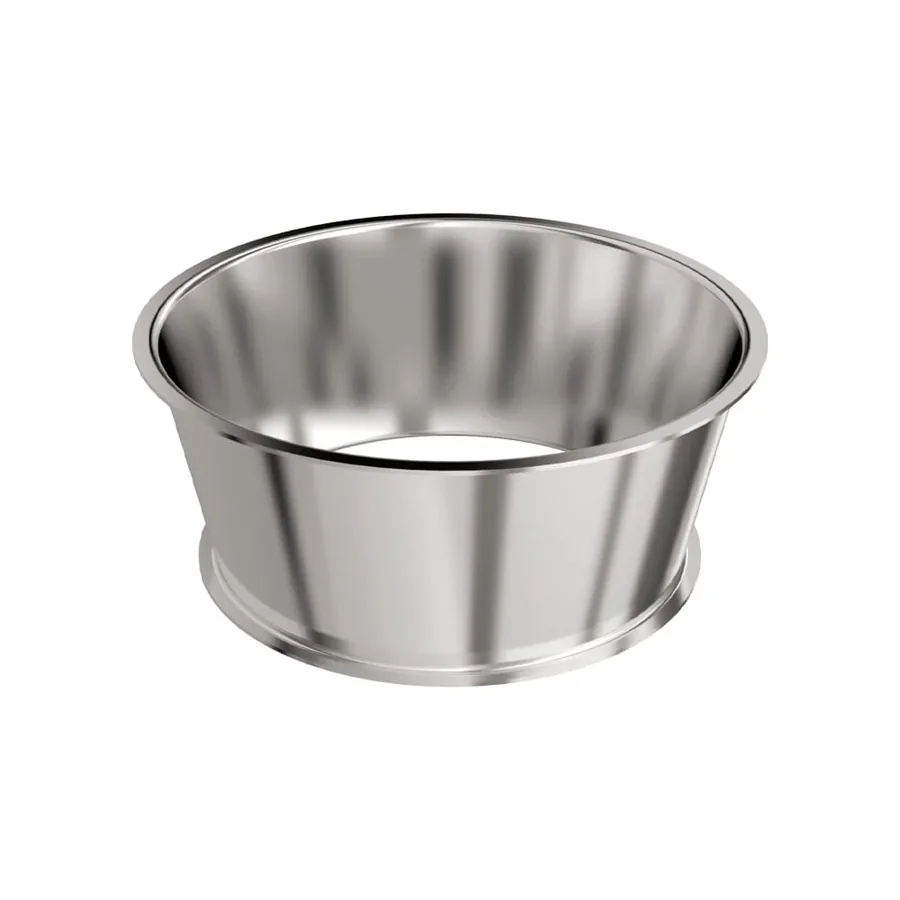
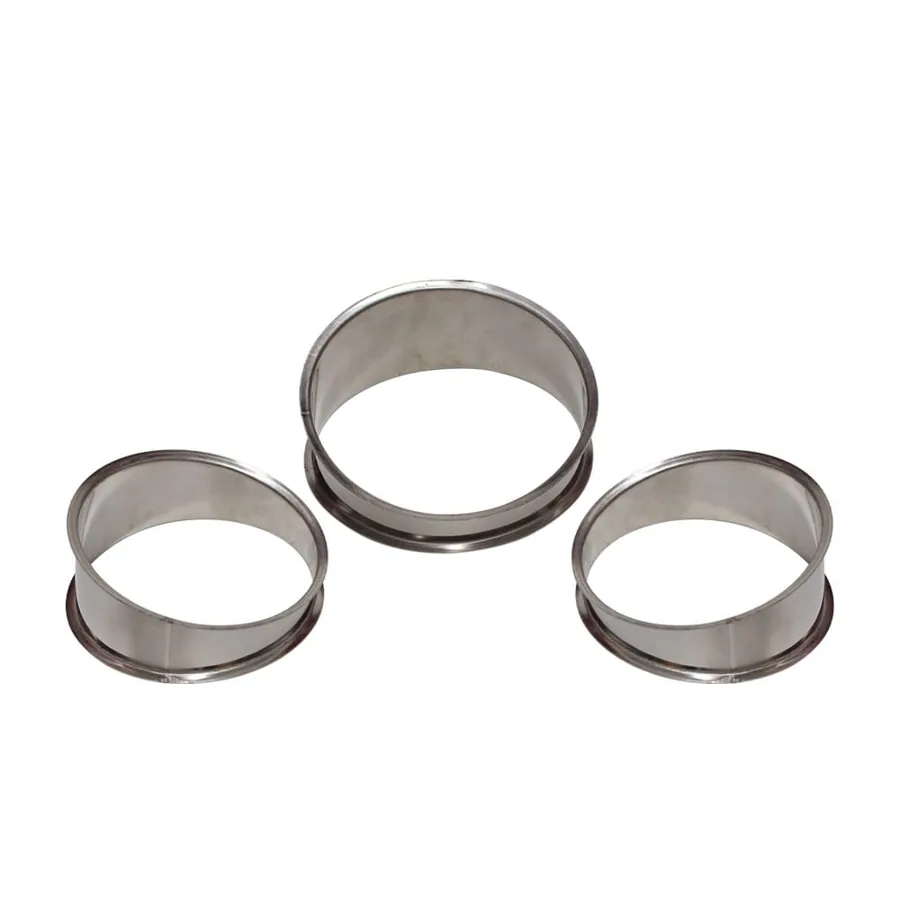
Inside diameters must match exactly at the bend connections, and the connecting rings must seat properly; a step makes product hit and wear the bend faster. Orient the bend to the line design and keep the line’s angle and radius. Send us the pipe diameter and bend angle and we will supply the right cast elbow.