Choosing Elevator Buckets: Plastic or Steel?
Bucket material should match the product, capacity and operating conditions. We compare plastic and steel elevator buckets and explain belt and bolt selection.
· 2 min read · Altınbaşak Dişli Sanayi
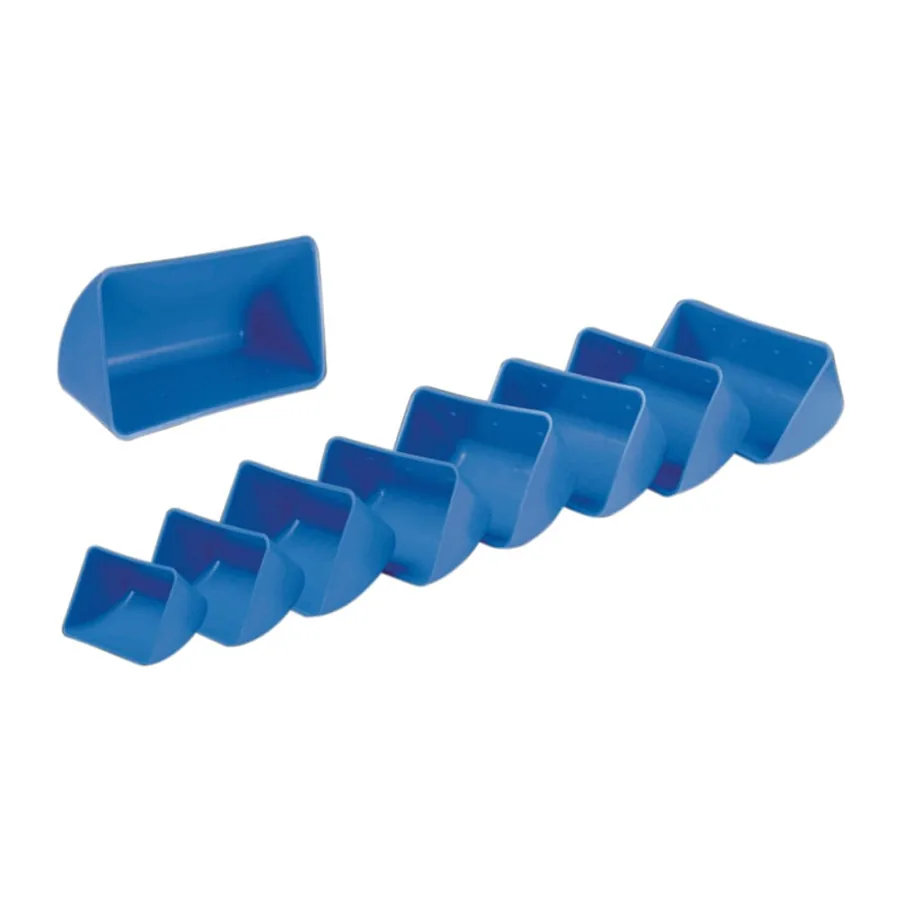
Bucket elevators carry grain, break stock, semolina and flour between floors in the mill. One of the parts that most determines an elevator's efficiency is the bucket. The right bucket increases capacity, reduces back-legging and extends maintenance intervals. The most common question is: plastic or steel?
Plastic buckets
- Lightweight: less load on the belt and drive.
- Corrosion-free: an advantage in humid areas and after tempering.
- Quieter, with clean discharge of free-flowing products such as flour and semolina.
- Flexible under impact, but limited with highly abrasive products and at high temperatures.
Steel buckets
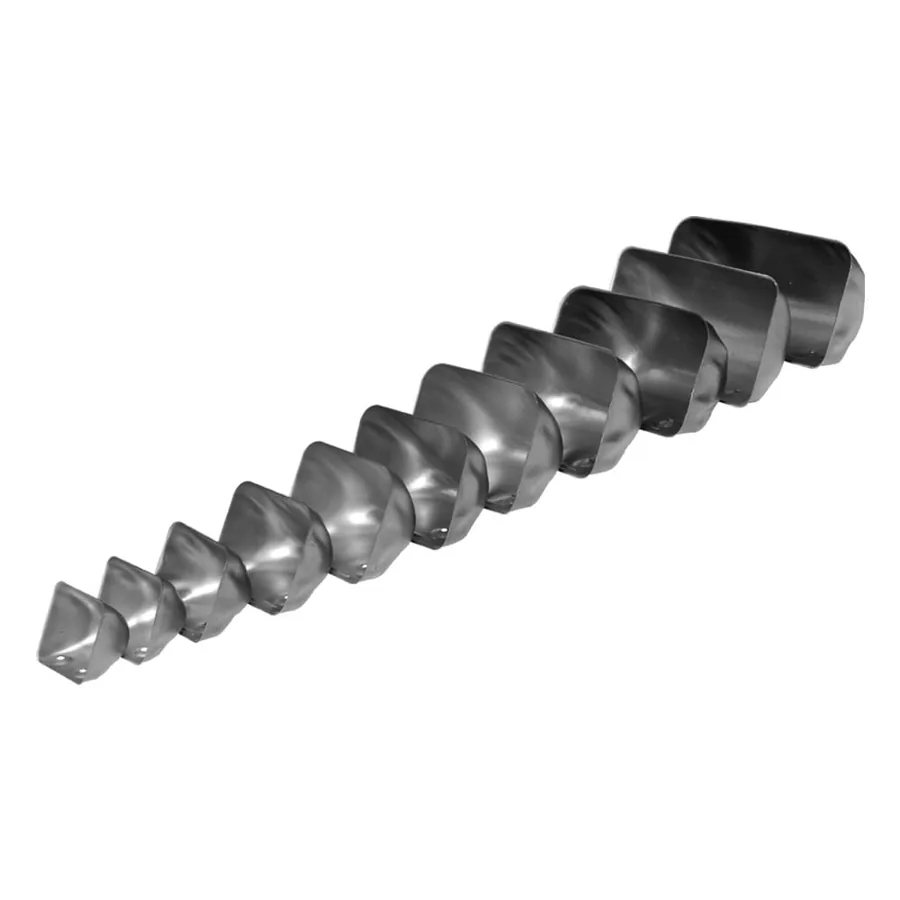
- Durable: long life with raw grain that may contain stones or soil, and with abrasive products.
- Heat-resistant and holds its shape.
- Heavier, so belt and drive must be sized accordingly. Needs attention to corrosion in humid areas.
A practical rule
Steel buckets for pre-cleaning and raw grain elevators, plastic buckets for clean grain, semolina and flour elevators is a good starting point for most mills. The final choice depends on the elevator's capacity, speed and bucket size.
Belt and bolts matter as much as buckets
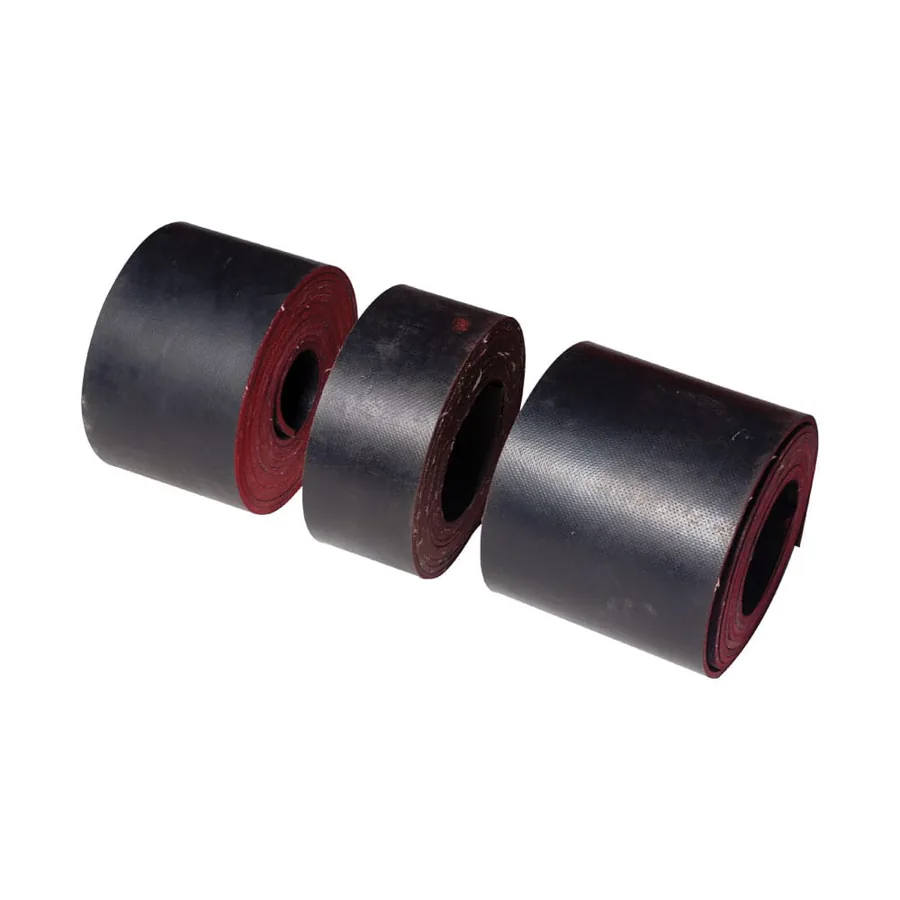
- The elevator belt must be strong enough for the bucket weight and load, with evenly spaced bolt holes along its length.
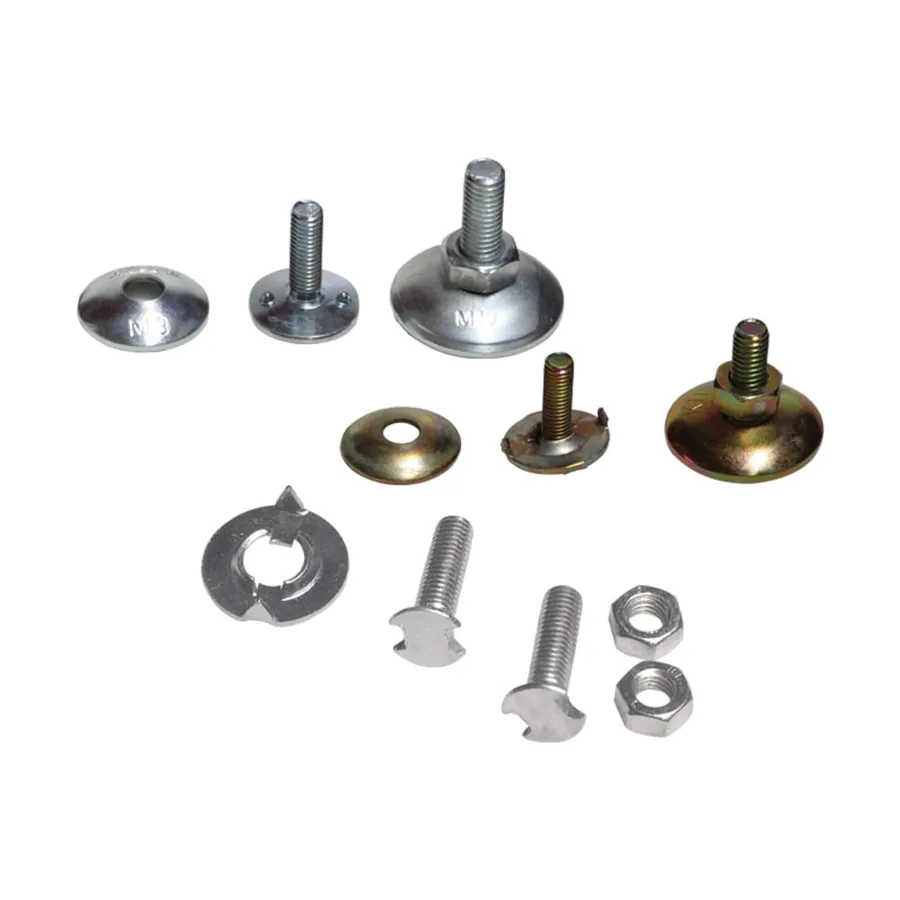
- Elevator bucket bolts have flat, wide heads that sit flush in the belt, so they do not rub on the pulley or damage the belt. Using standard bolts can tear the belt prematurely.
- Renewing bolts when replacing buckets reduces the risk of loosening and lost buckets.
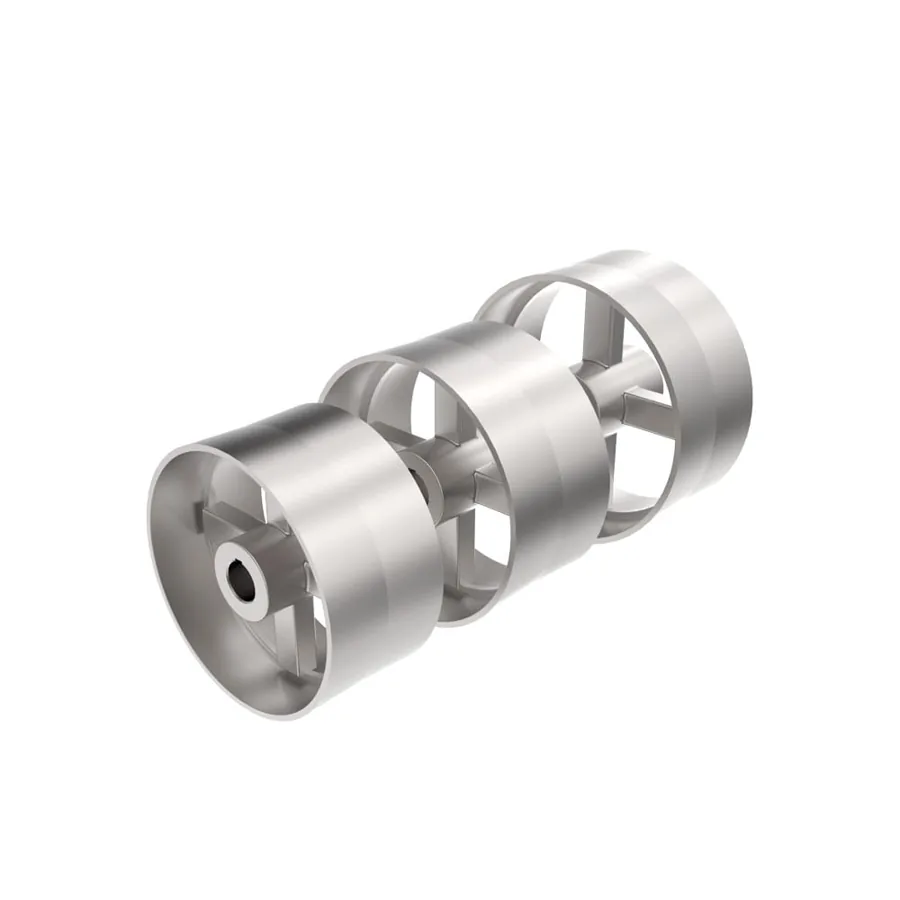
Altınbaşak supplies plastic and steel elevator buckets, elevator belts, bucket bolts and elevator pulleys together. Just send us your current bucket size and elevator capacity.