What Is a Sieve Cleaner? Types and How to Choose
A blinded sieve means lost capacity and flour quality. We explain what sieve cleaners do, the differences between cloth, drop, brush and star types, and when to replace them.
· 2 min read · Altınbaşak Dişli Sanayi
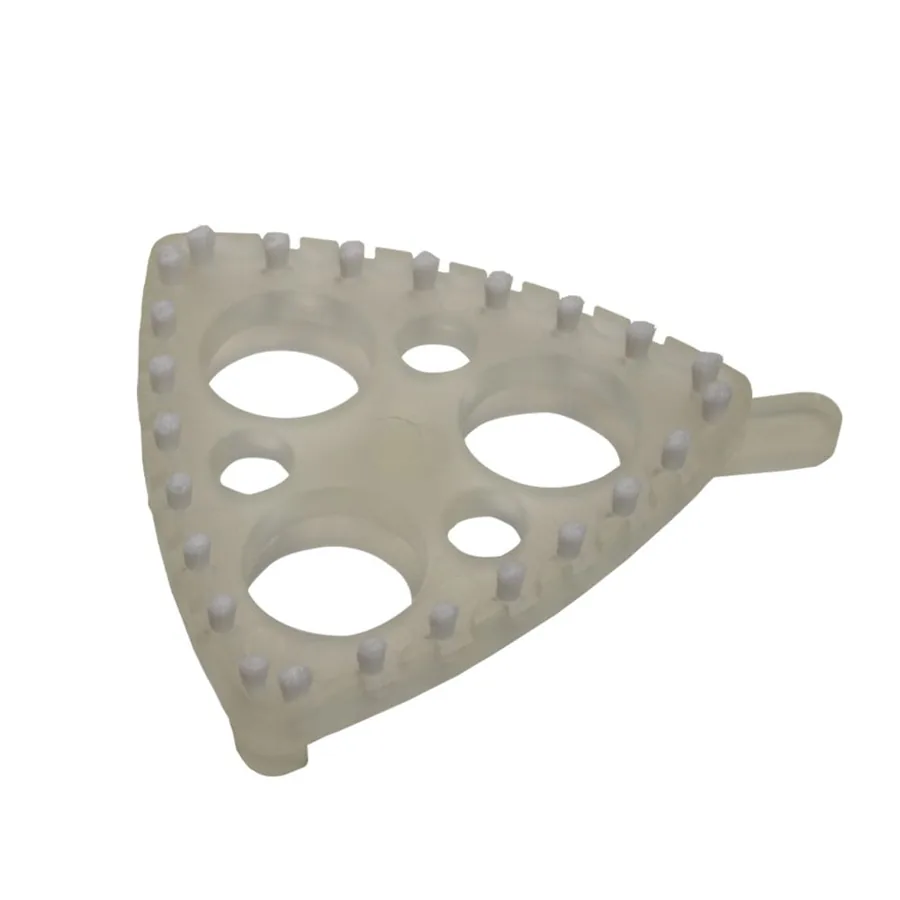
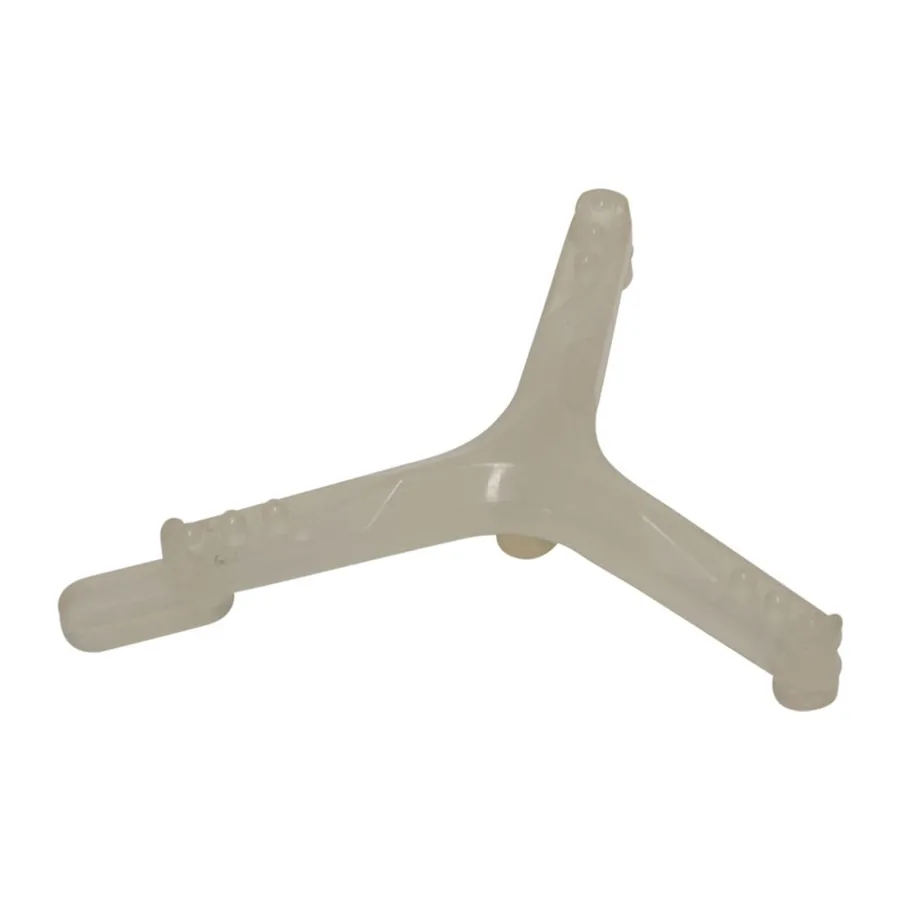
In plansifters, the sieve cloth gradually clogs with flour and semolina particles. A blinded sieve passes less product: capacity drops, sifting accuracy suffers and flour quality is affected. A sieve cleaner is a small part that moves freely in the cleaning compartment under the sieve cloth. With the sifter's motion it bounces against the cloth from below and keeps the openings clear.
Types of sieve cleaners
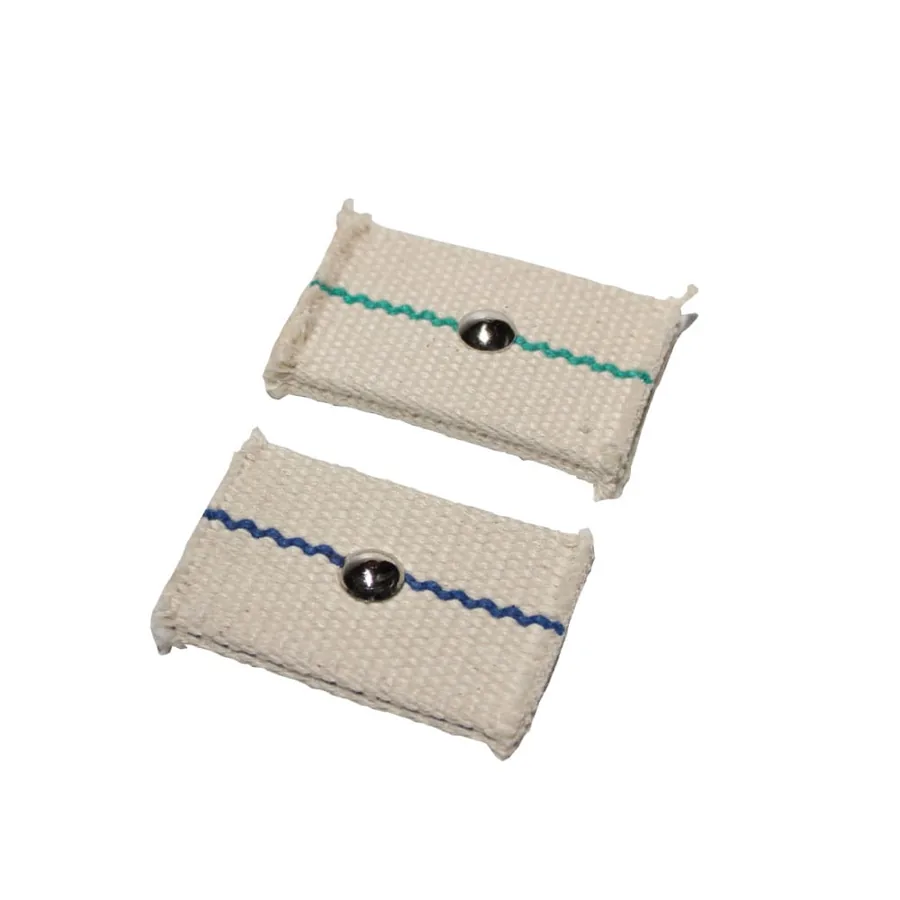
- Cloth cleaner: Cleans gently with a soft surface. Preferred for fine flour sieves and delicate cloths.
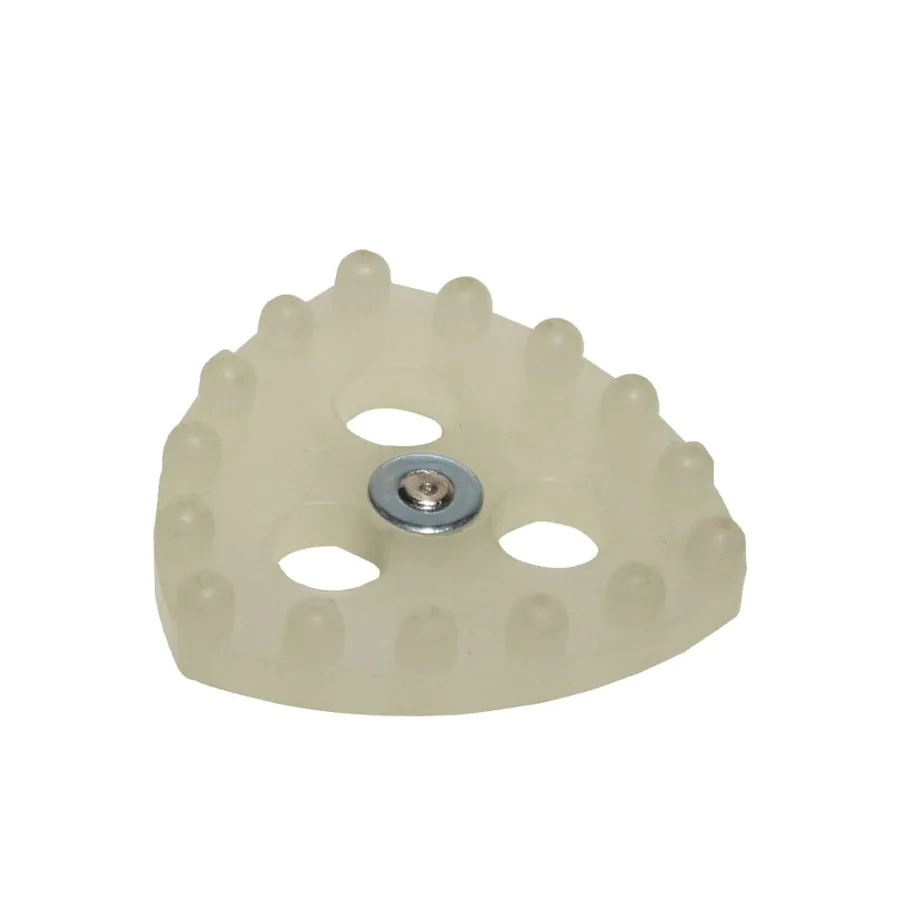
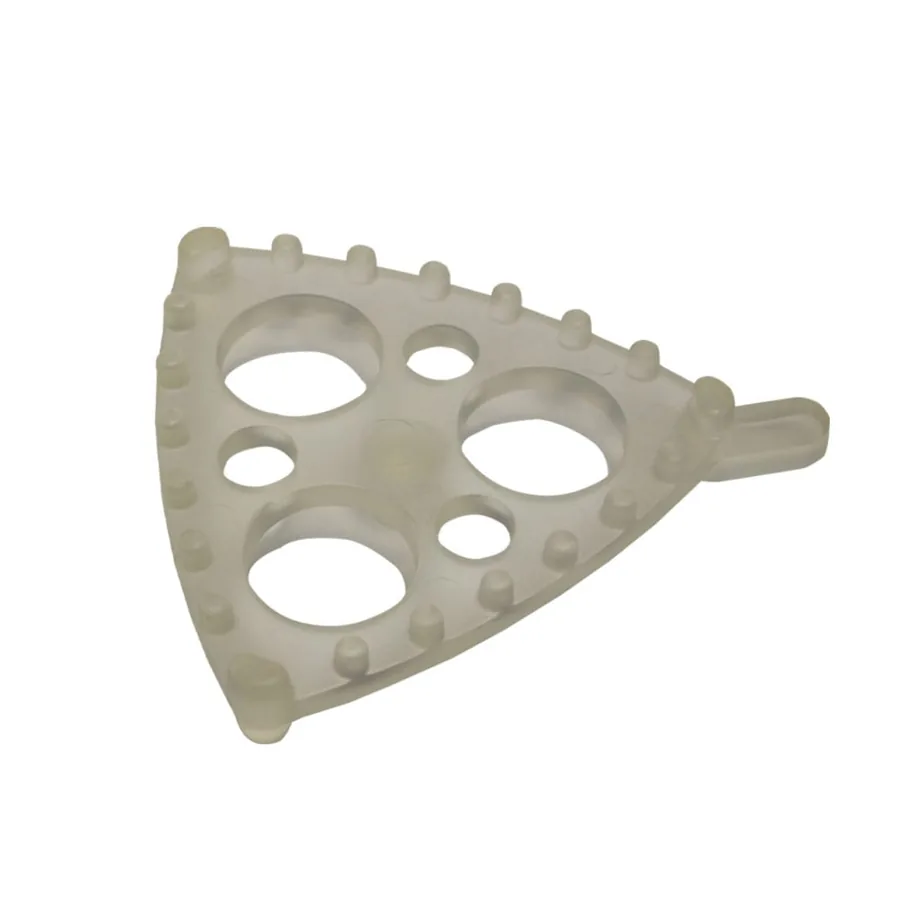
- Drop-type cleaner: Taps the cloth with drop-shaped nubs on its underside. A common general-purpose type.
- Double drop cleaner: Nubs on both sides give more contact points and stronger cleaning in heavily loaded sieves.
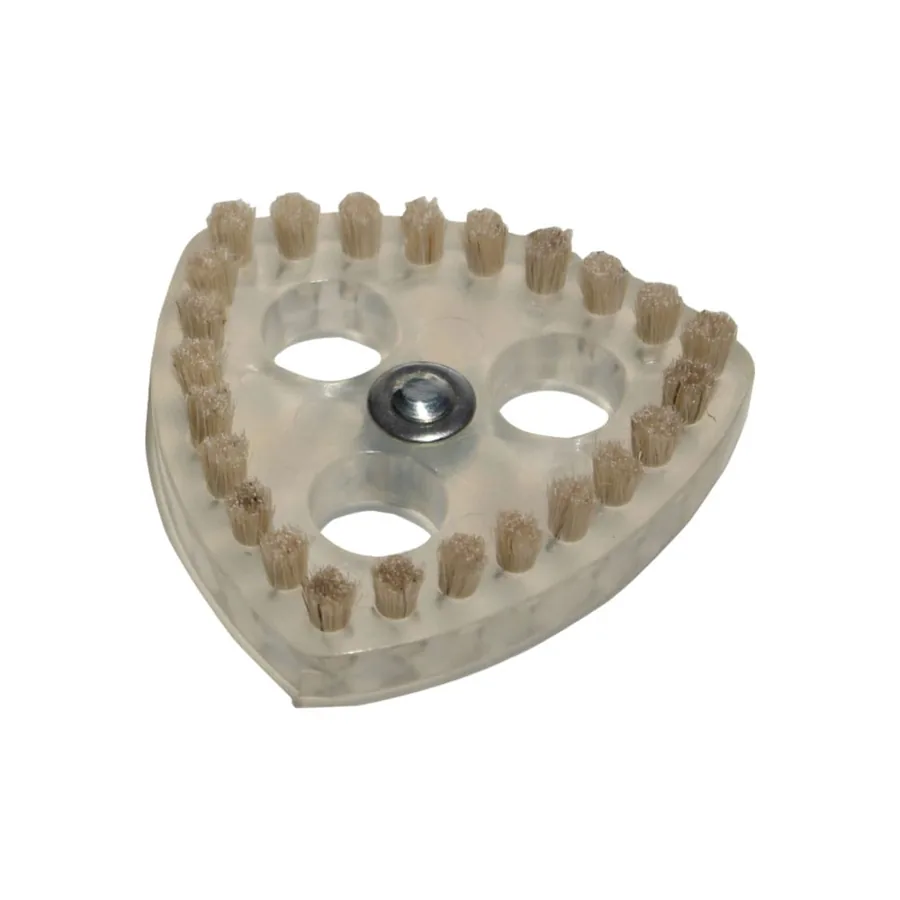
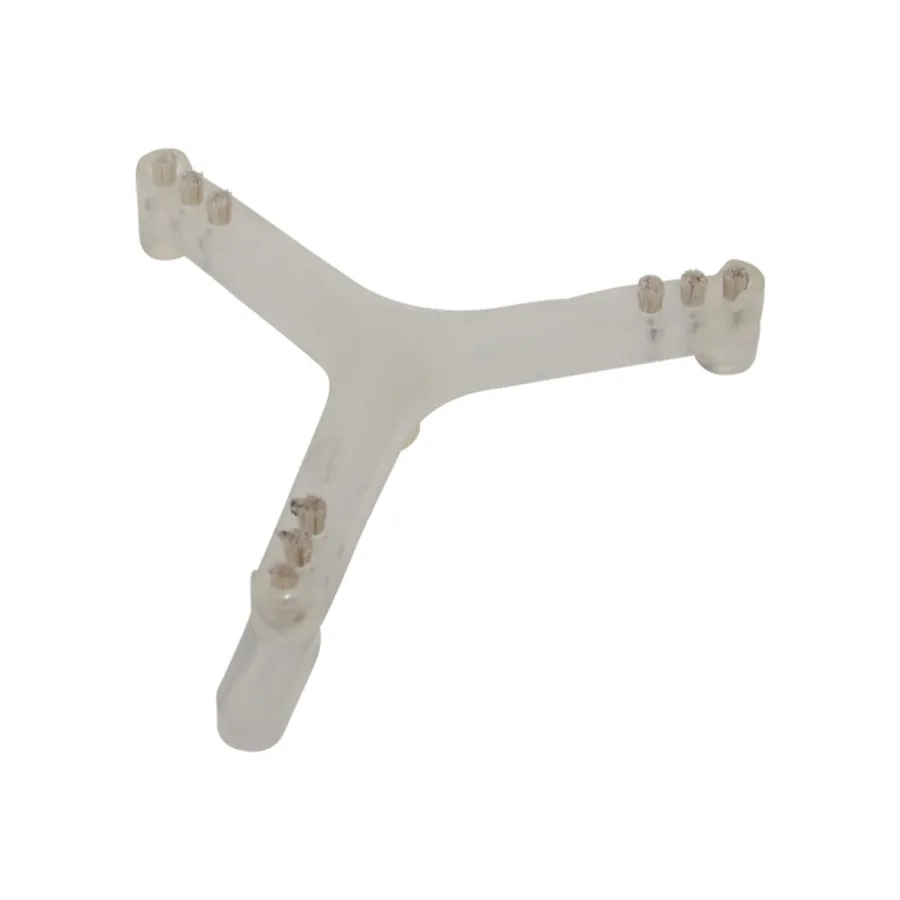
- Brush cleaner: Bristles sweep the cloth; effective for sticky products and fine cloths.
- Double brush cleaner: Combines bristles with a double-sided body.
- Star and star brush cleaners: Their star shape covers a wide area of the compartment.
How to choose
Three things decide: the sieve frame type and compartment size, the product being sifted (break stock, semolina, flour) and the cloth aperture. Softer cleaners generally work better on fine cloths, while firmer, tapping types suit frames that sift coarser stock. If in doubt, a photo of your current cleaner or the make and model of the sieve frame is enough for us.
When to replace
- When nubs are worn flat or bristles are bent and short,
- When the material has hardened or cracked,
- When one sieve's capacity is noticeably lower than the others.
Replacing cleaners compartment by compartment rather than one by one keeps sifting performance balanced. Altınbaşak keeps all sieve cleaner types in stock.