
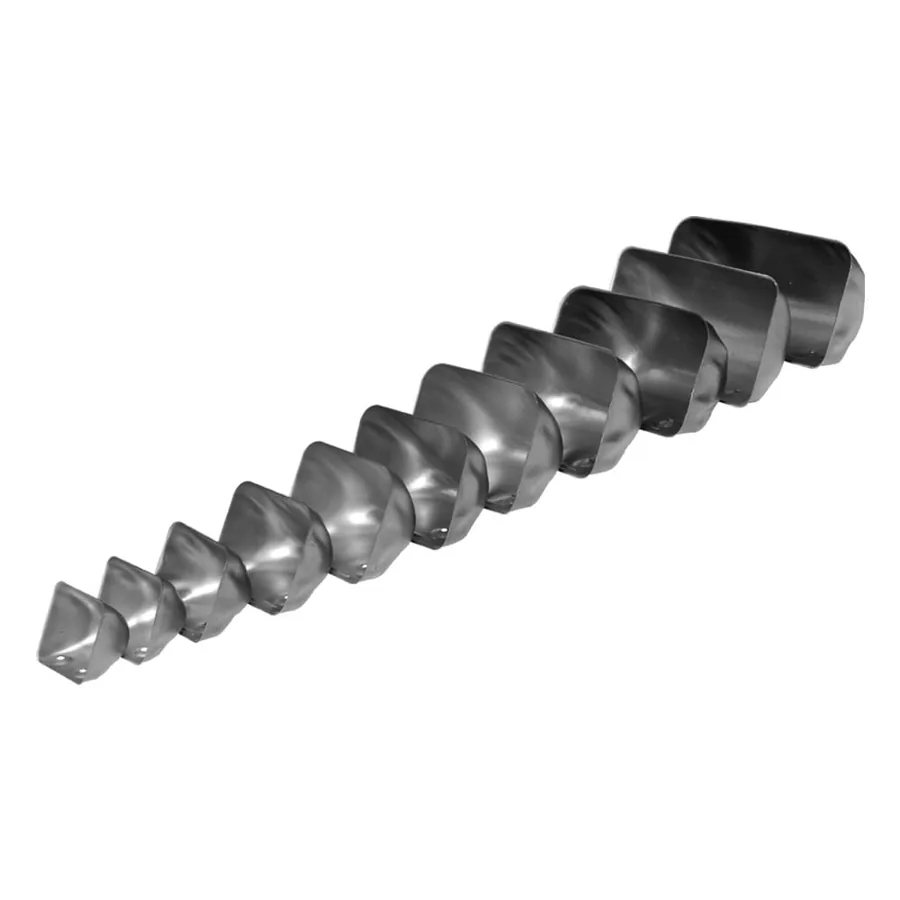
What is a steel elevator bucket?
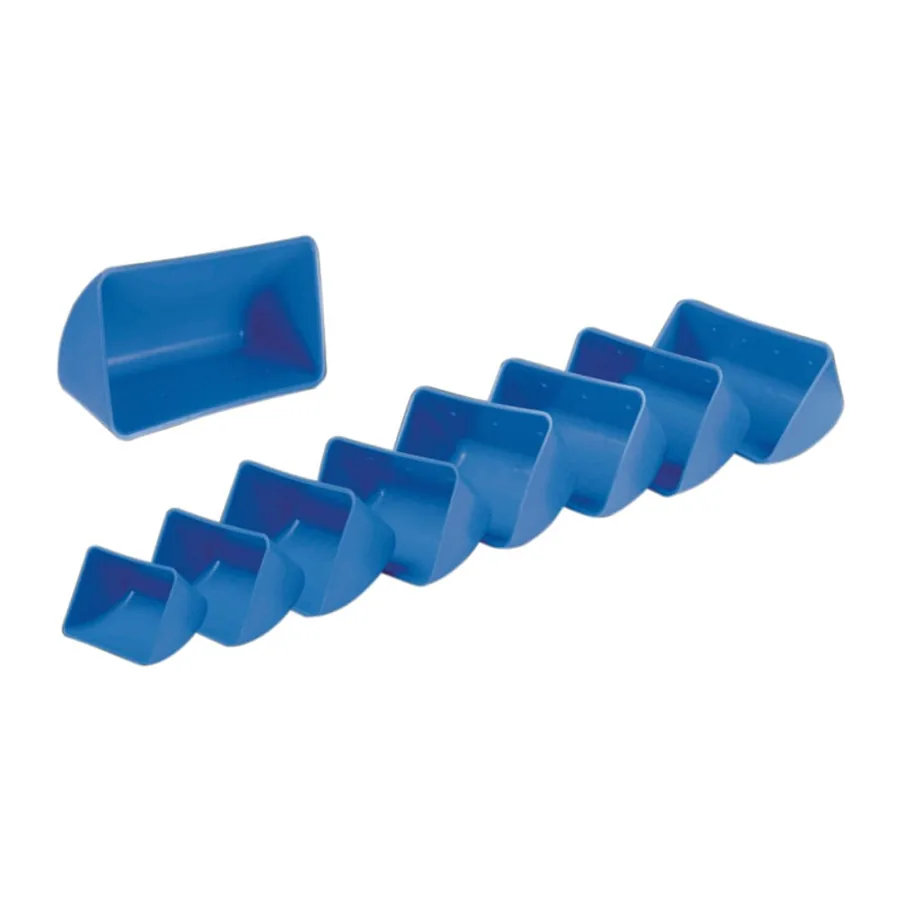
A steel elevator bucket is formed from steel sheet and bolted to the elevator belt with bucket bolts. It is heavier than a plastic bucket but far more resistant to impact, abrasion and heat.
Where it is preferred
- Raw grain and pre-cleaning elevators: products that may contain stones, soil or metal pieces,
- Abrasive products: products with a high share of sand or broken kernels,
- High temperature: lines carrying hot product after drying.
What decides quality
- Sheet thickness: sets wear life and impact resistance.
- Weld and seam quality: strong, clean corner joints stop the bucket opening up under load.
- Lip and mouth form: lip angle and a straight edge matter for clean discharge.
- Surface protection: galvanising or paint delays corrosion in humid areas.
Mind the weight
Steel buckets are heavy, so belt strength, number of buckets and drive power must be calculated accordingly. When switching from plastic to steel, make sure the belt and drive can carry the extra load.
Maintenance
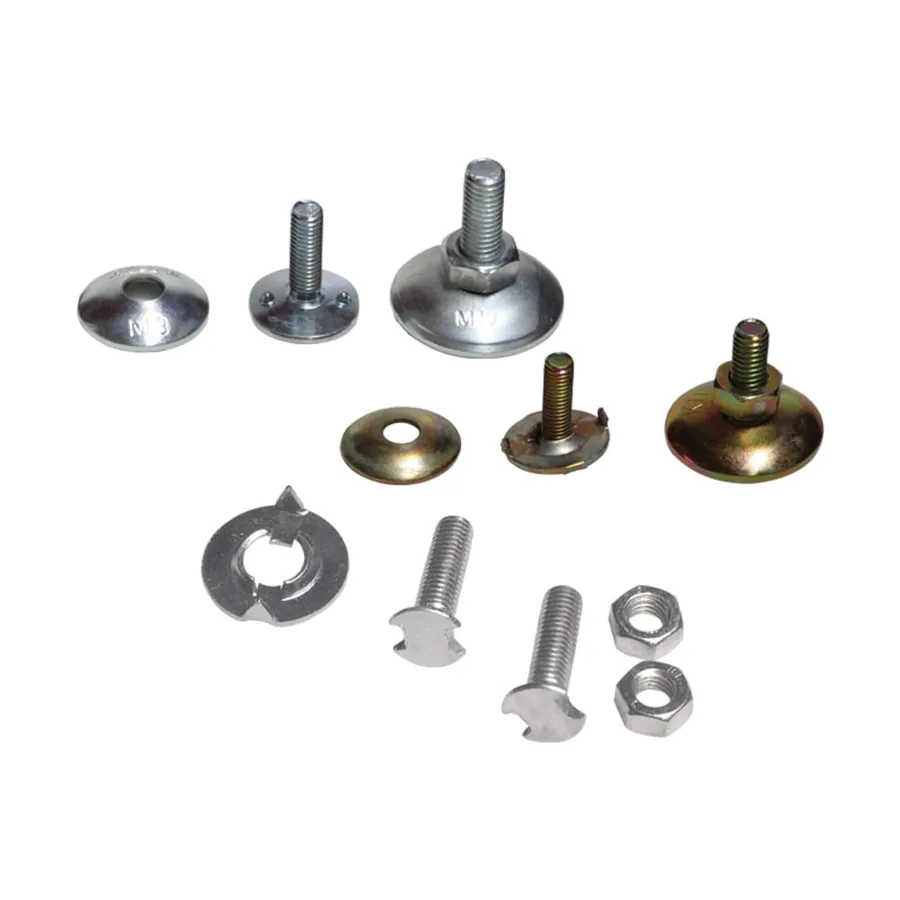
Check bucket lips for wear and the weld seams regularly. Thinned or torn lips cause lost capacity and product spillage inside the elevator. Renew the bucket bolts when replacing buckets.