How rubber balls work
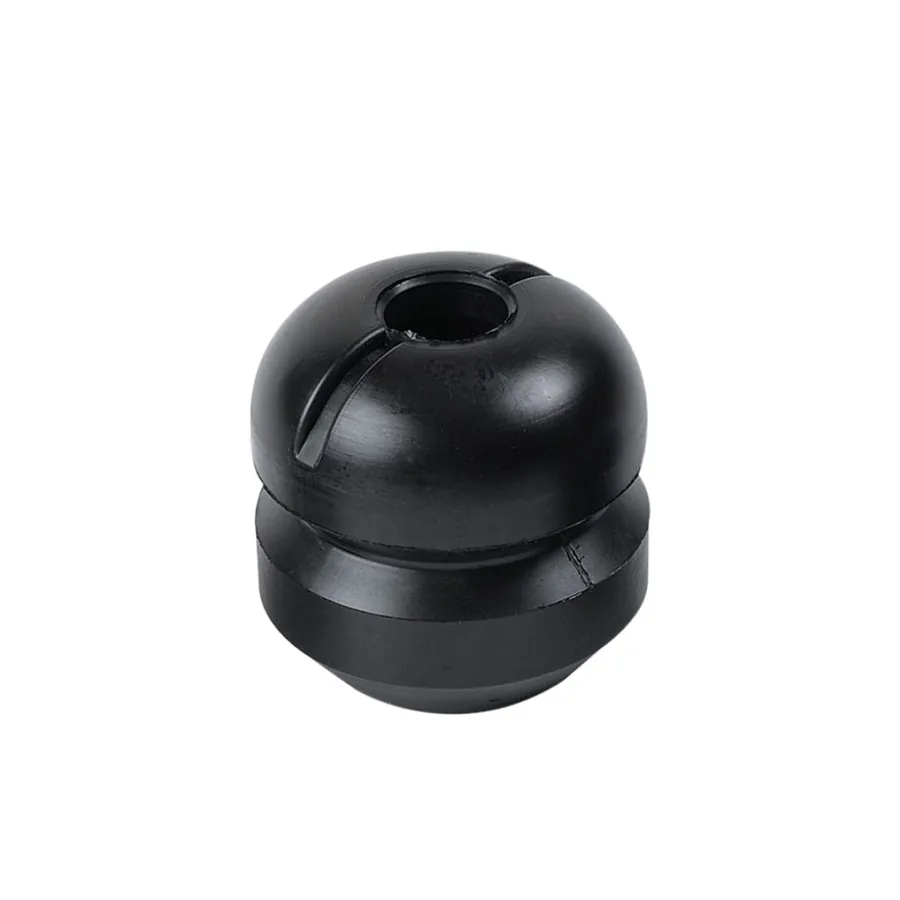
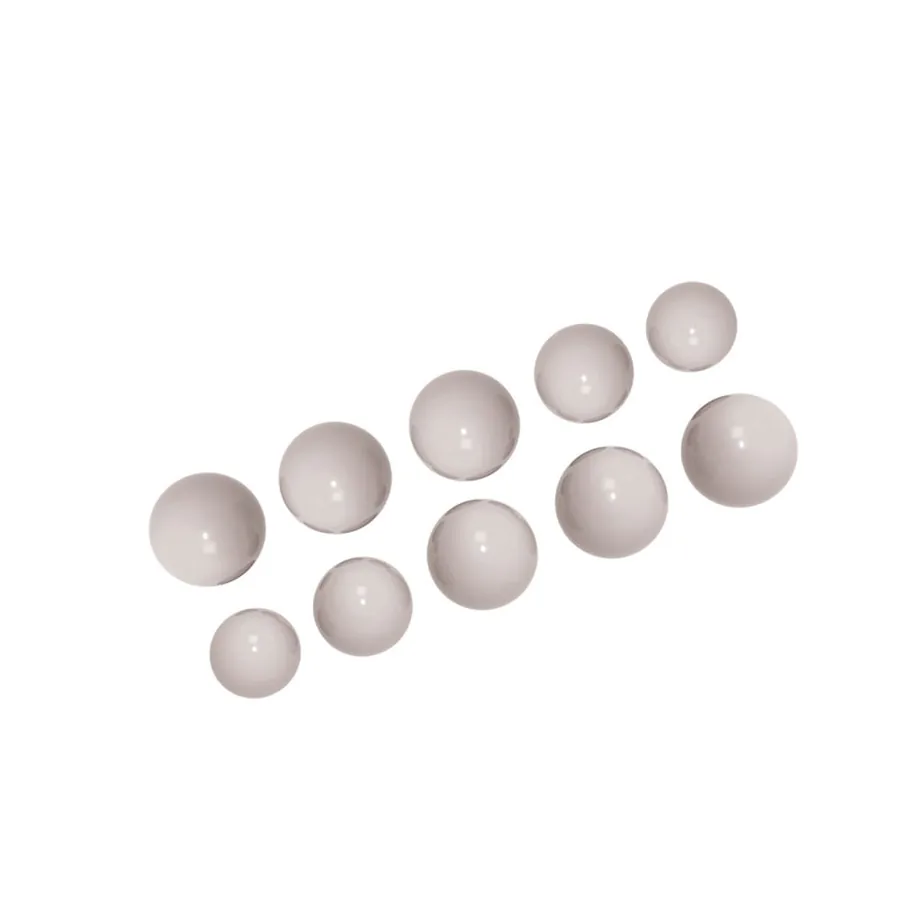
Rubber balls (sieve cleaning balls) are placed in compartments under the sieve screen. As the sieve vibrates, the balls bounce in the compartment and strike the screen from below. The impacts free particles stuck in the openings and keep the screen surface open. They do a similar job to sieve cleaners, but their spherical shape lets them move equally in every direction with no risk of flipping over.
Where they are used
- In pre-cleaning and grain cleaning sieves,
- In vibrating and rotary sifters,
- In sieve frames whose compartments are designed for balls.
Choosing hardness and diameter
- Diameter: chosen by compartment height and mesh size. Too small and the impact is weak; too large and the ball cannot move freely.
- Hardness: harder balls strike harder and suit coarse mesh; softer balls are gentler on fine screens.
- Material: food-grade rubber should be used to minimise the risk of wear particles entering the product.
When to replace
Over time balls wear, shrink, harden or crack on the surface. A shrunken ball loses its impact; a hardened one can strain the screen. When the sieve is opened, check ball diameter and surface and renew all balls in the compartments together. Send us the diameter of your current balls and the sieve type and we will send the right rubber balls.