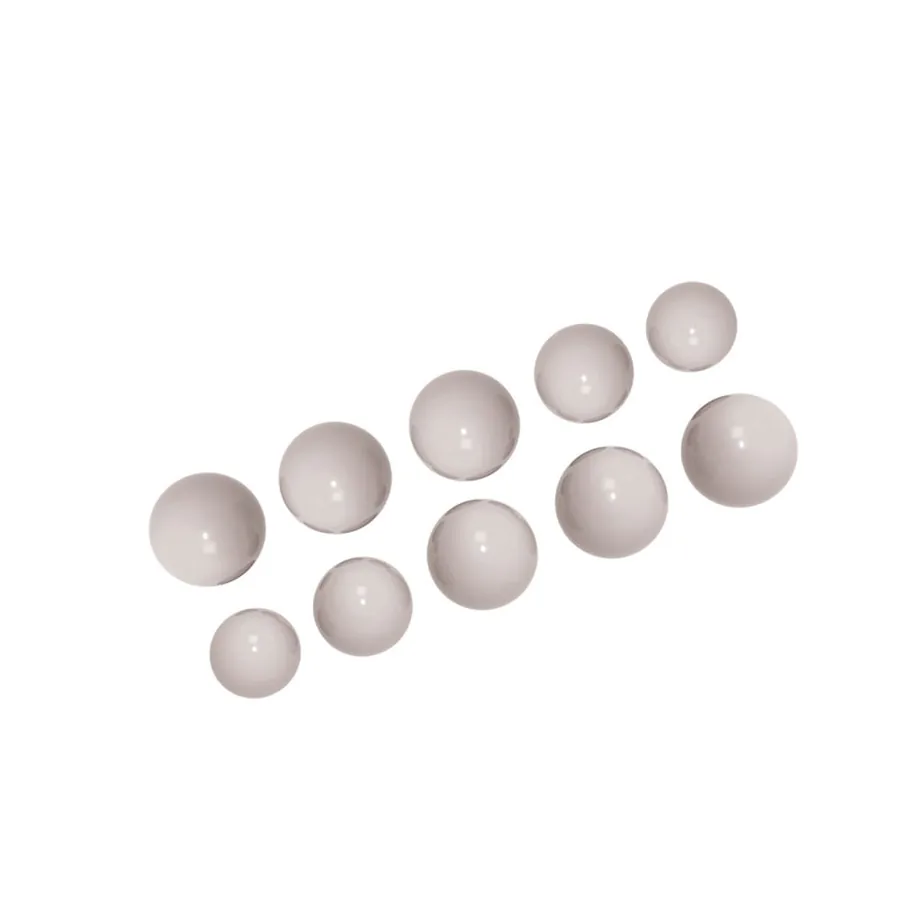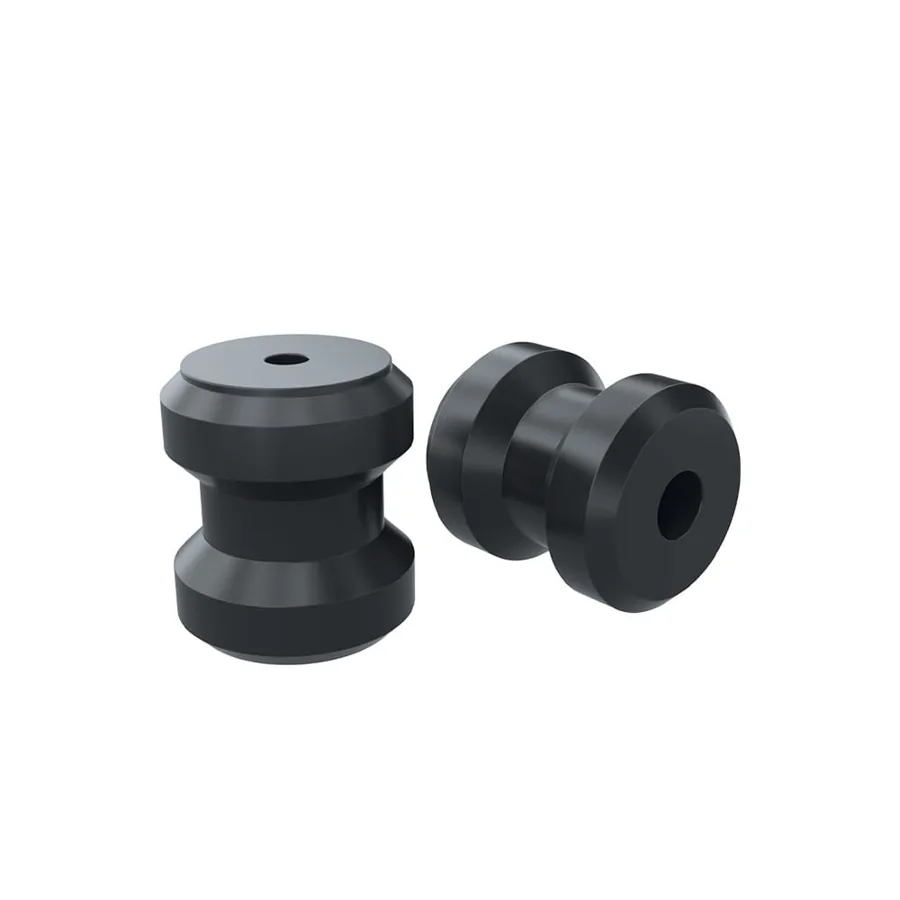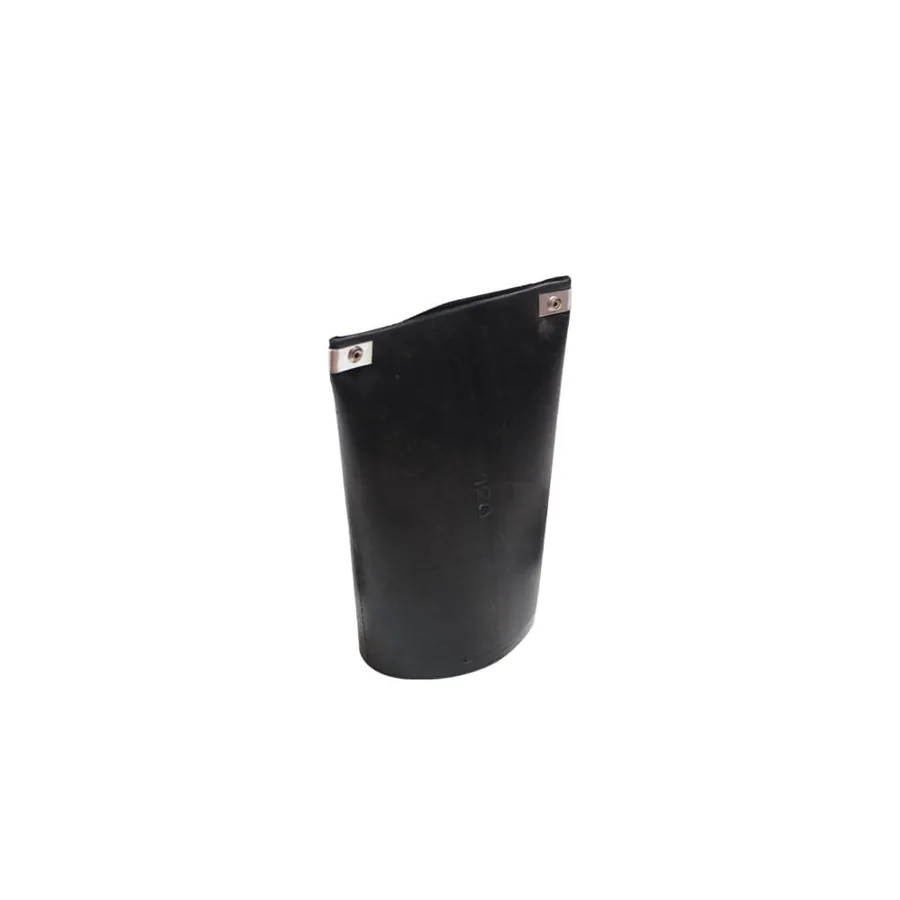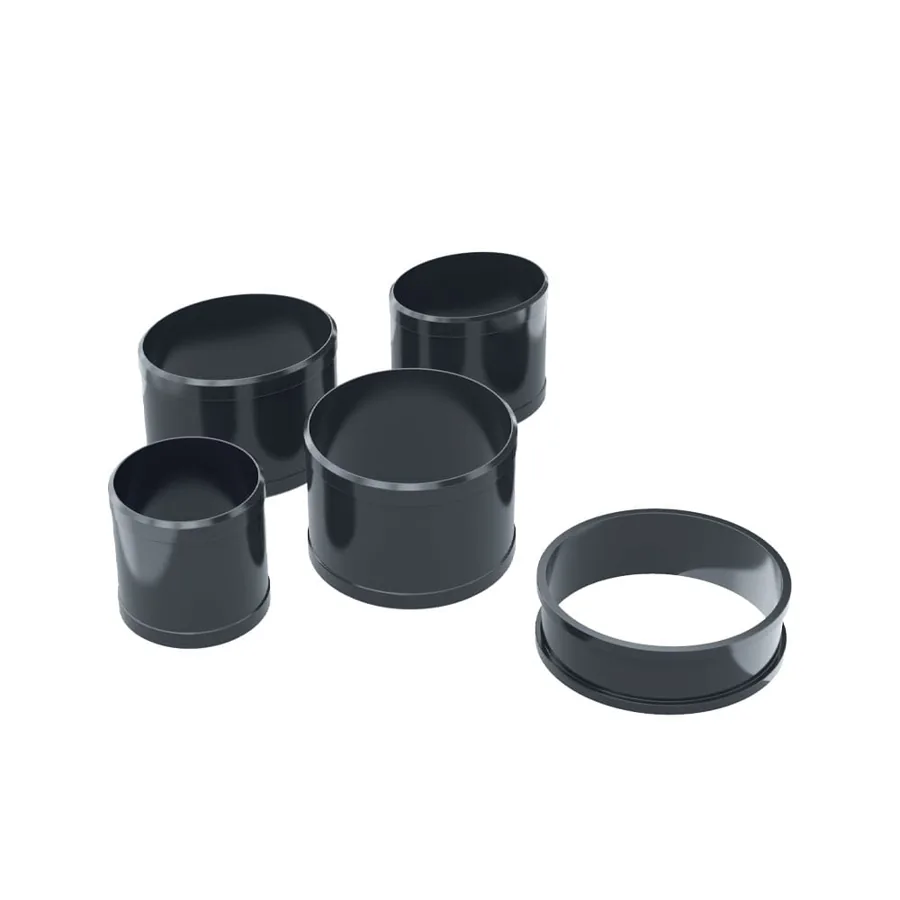
What is a rubber cap?
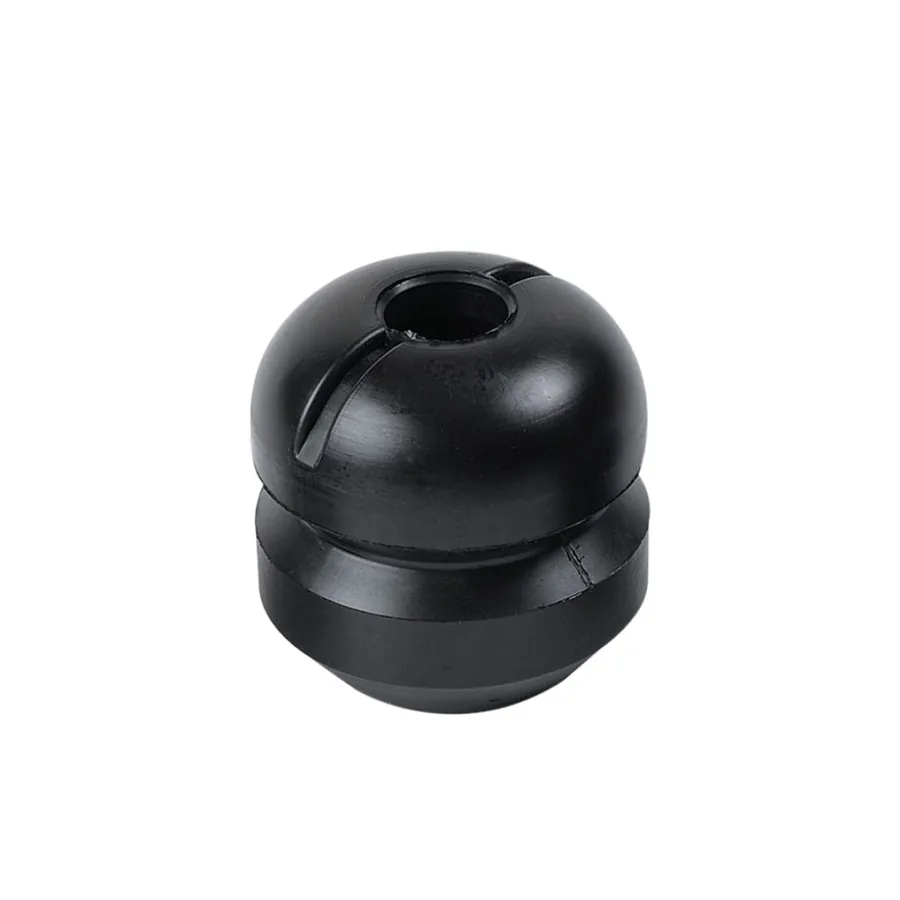
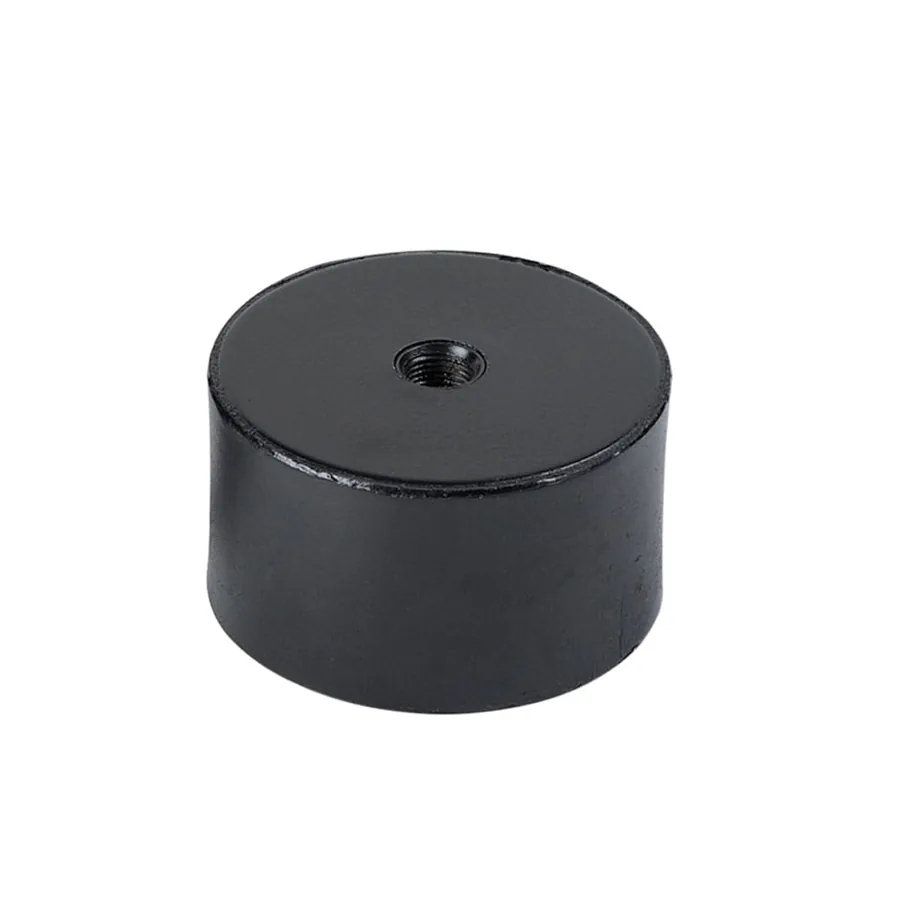
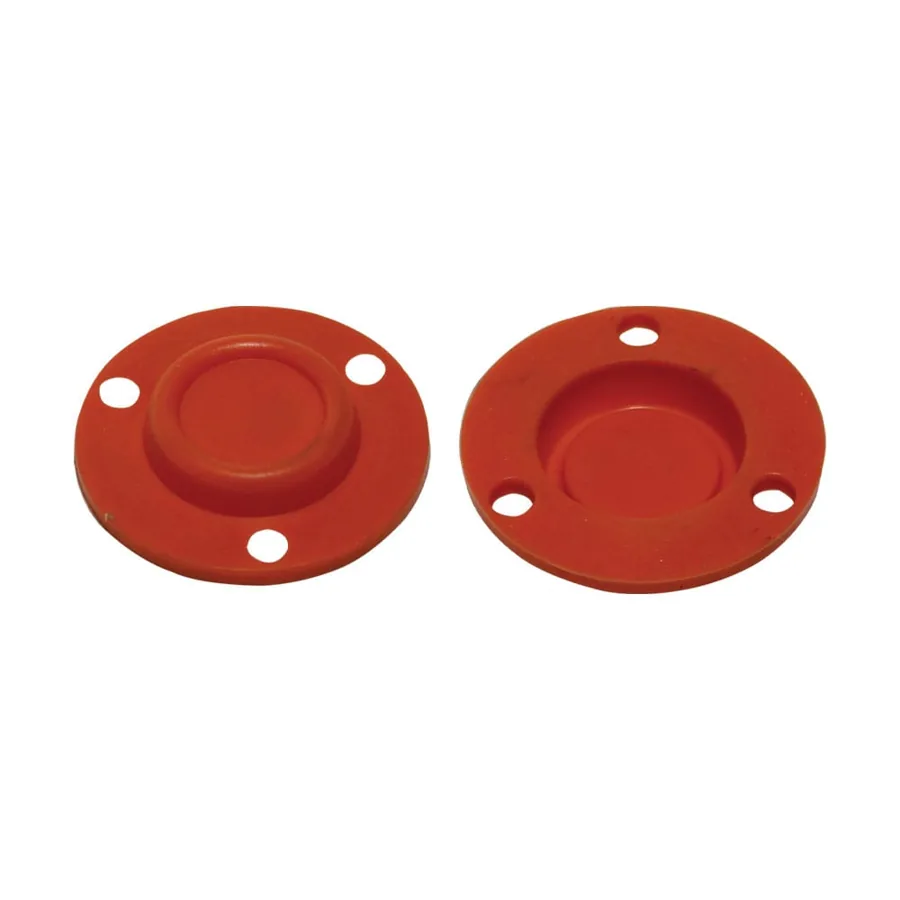
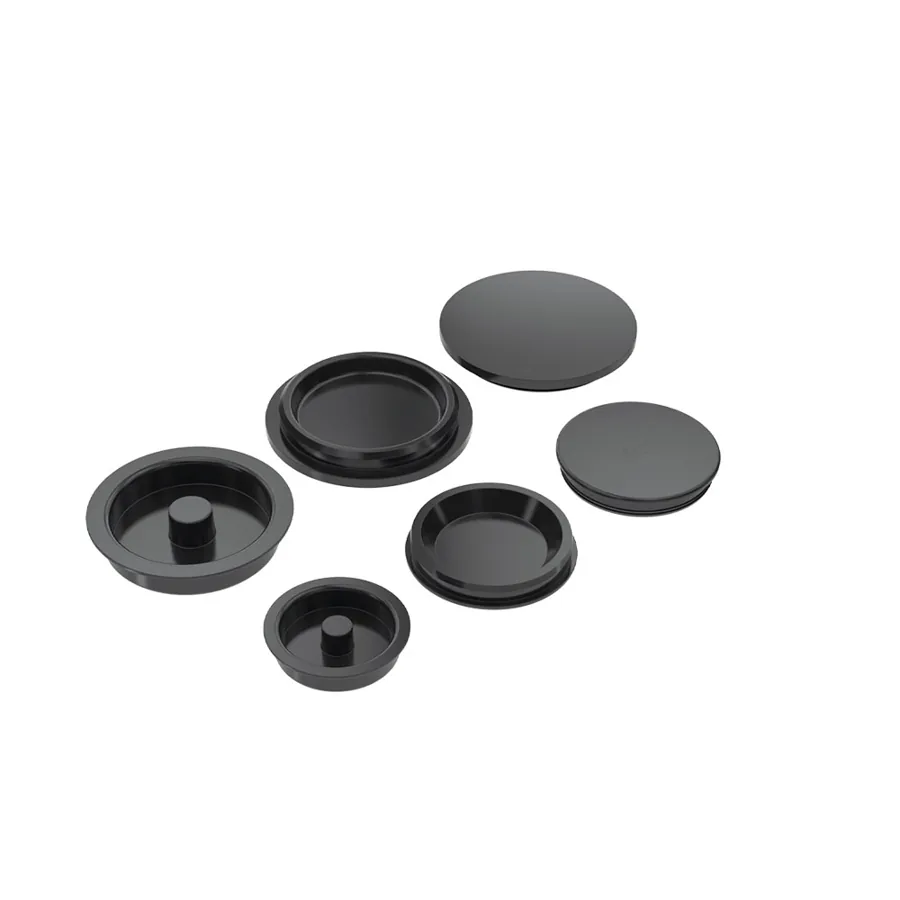
Rubber caps are rubber plugs and covers that fit over or press into an opening to close it. Being flexible, they seat tightly, can be fitted and removed without tools and give a dust-tight closure.
Where they are used in a mill
- Inspection and sampling holes: closing sight and sample holes in flow pipes,
- Open pipe ends: closing unused connection spigots or spare lines,
- Machine openings: temporarily closing openings during maintenance,
- Transport and storage: protecting spare-part openings against dust and pests.
Why it matters
Even a small open hole can cause dust leaks in a mill, air leaks in pneumatic lines and pest entry. In food safety audits, open holes and improvised closures are among the most frequently noted findings. A correctly sized rubber cap solves these problems simply and cheaply.
Choosing size and material
- Choose the cap’s inside or outside diameter to suit the opening; a loose cap falls off with vibration.
- Use food-grade rubber where there is food contact.
- Caps that have hardened, cracked or lost elasticity no longer seal and should be replaced.
Send us the diameter of the opening and the cap type (over-fit or push-in) and we will send the right rubber caps.