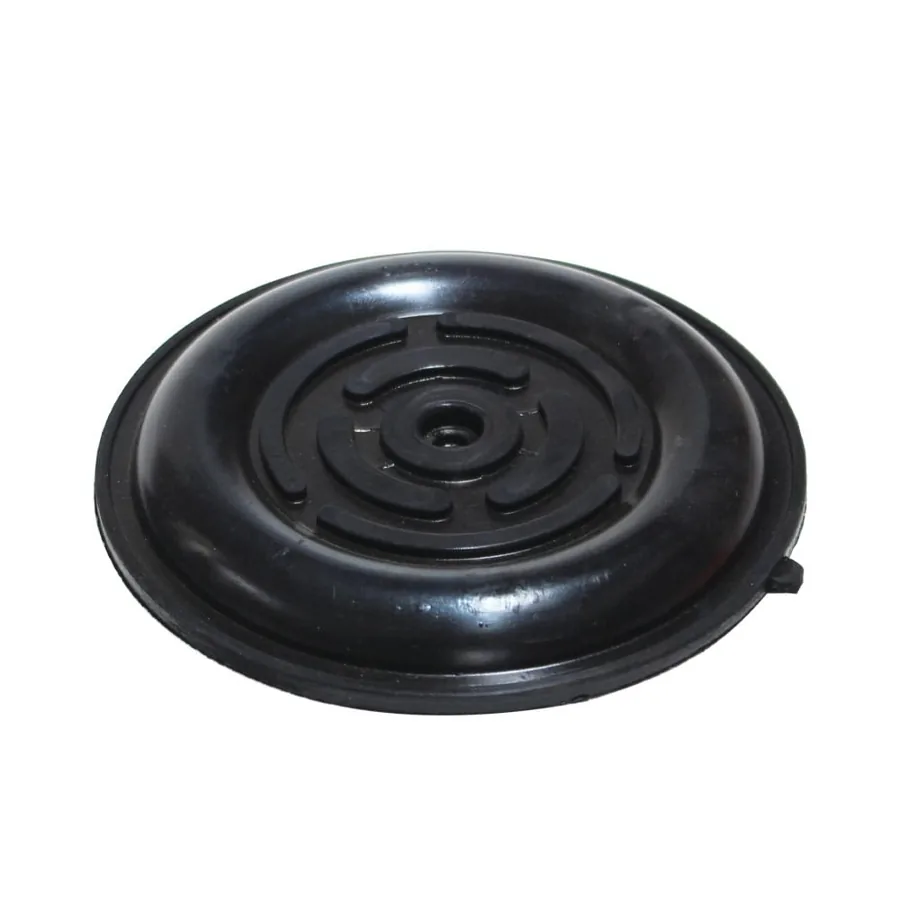
The diaphragm valve and its diaphragm
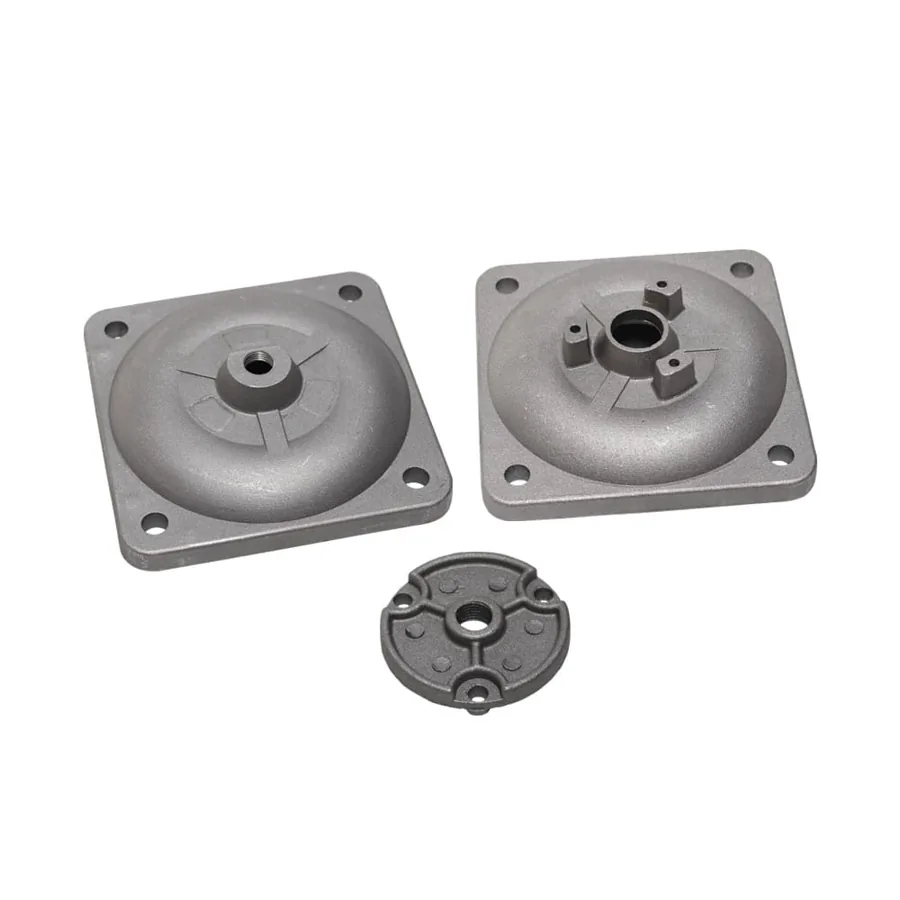
In jet filters the compressed-air pulse that cleans the bags comes from diaphragm valves. Inside the valve is a flexible rubber filter diaphragm that closes the port letting air from the header tank into the blowpipe. Normally pressure above and below the diaphragm is balanced and it holds the port closed. When the pilot (solenoid) valve opens, the air above is vented, the diaphragm lifts and compressed air bursts into the bags for a fraction of a second.
Why rubber quality matters
The diaphragm flexes once in every cleaning cycle. For a part that opens and closes thousands of times a day, fatigue resistance, flexibility and temperature resistance are critical. A hardened or cracked diaphragm stops the valve closing fully.
Fault signs
- Constant air leak: a continuous hiss from the valve and falling tank pressure. The diaphragm may be torn or there may be dirt on the seat.
- Weak pulse: if the diaphragm opens late or not fully, bags are not cleaned enough and differential pressure rises.
- Valve not opening: it may be a pilot valve fault, or a blocked bleed hole in the diaphragm.
Replacement tips
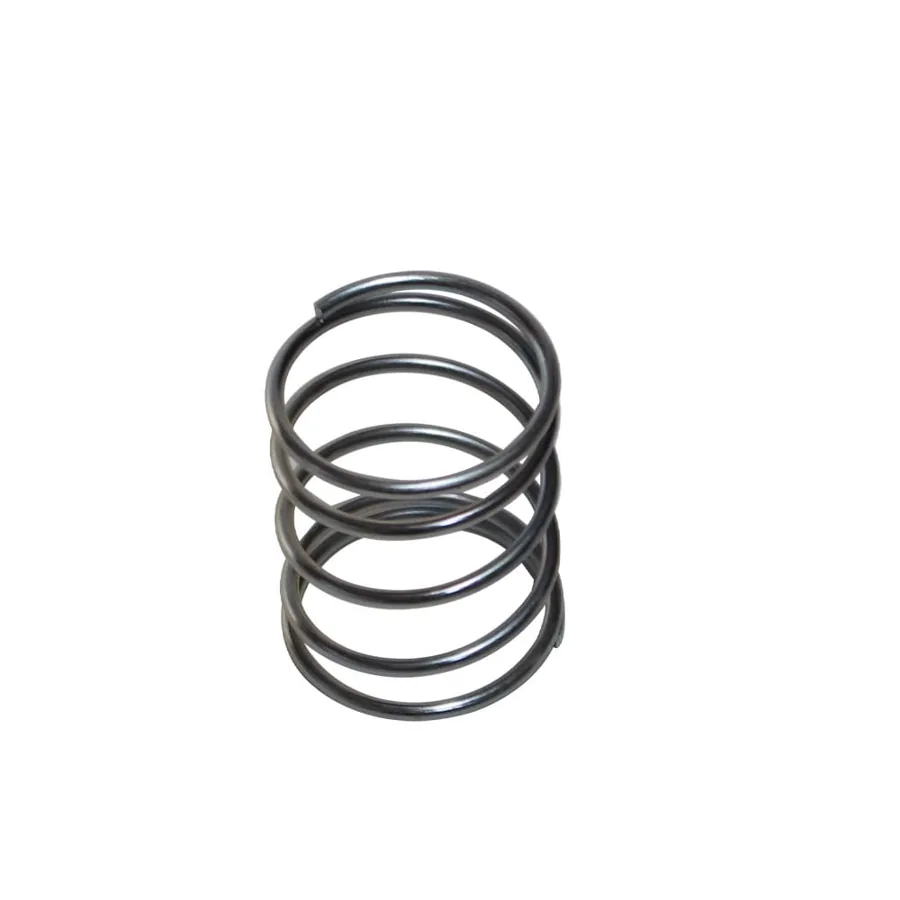
Fully vent the header tank before opening the valve. When changing the diaphragm, clean the valve seat and make sure the spring is in place and sound. If one valve’s diaphragm is fatigued, check the diaphragms of other valves of the same age. Send us the valve make and port size and we will supply the right diaphragm.