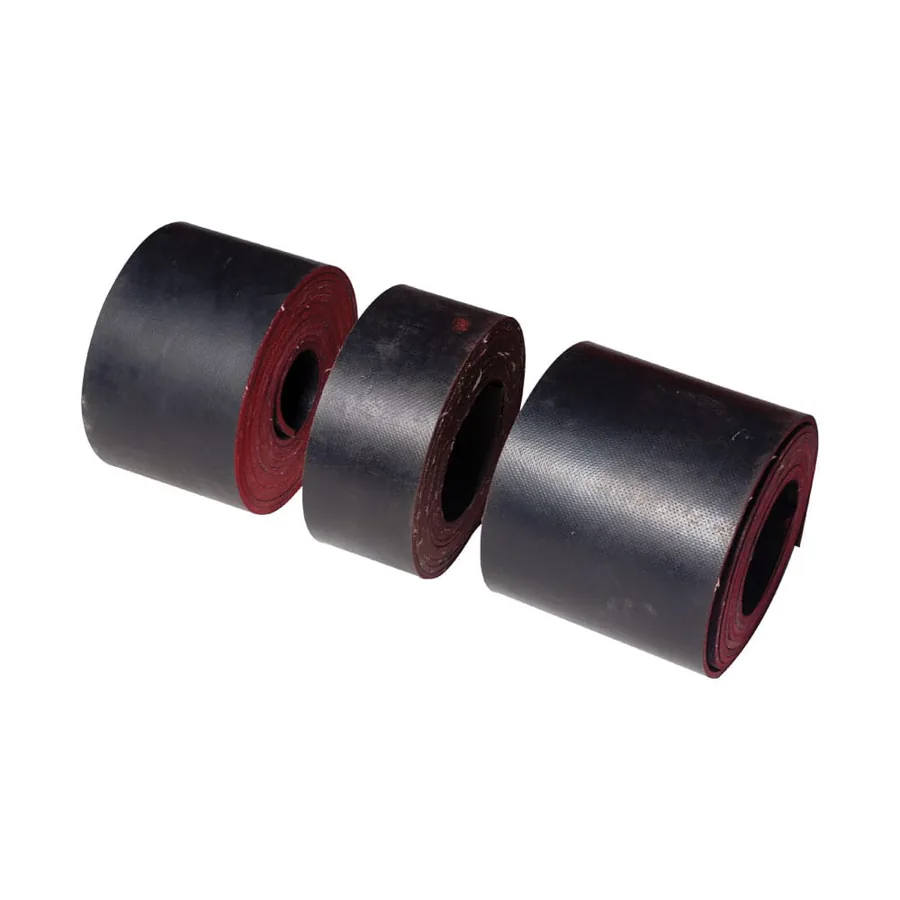
What the elevator belt does
In a bucket elevator the buckets are bolted to the elevator belt. The belt carries the weight of the buckets and product and passes the pulling force from the head pulley to every bucket. Its strength, flexibility and dimensional stability therefore determine whether the elevator runs safely and efficiently.
Belt construction
Elevator belts usually consist of several plies of woven fabric covered with rubber or PVC. The number of plies and fabric type set the tensile strength and the resistance of bolt holes to tearing. In food plants, a food-grade cover and resistance to fatty products also matter.
What to check when choosing
- Width: somewhat wider than the buckets.
- Strength: set by elevator height, number of buckets and capacity.
- Stretch: a low-stretch belt preserves take-up and keeps bucket spacing constant.
- Pulley diameter: thick, multi-ply belts are strained on small pulleys.
Punching and splicing
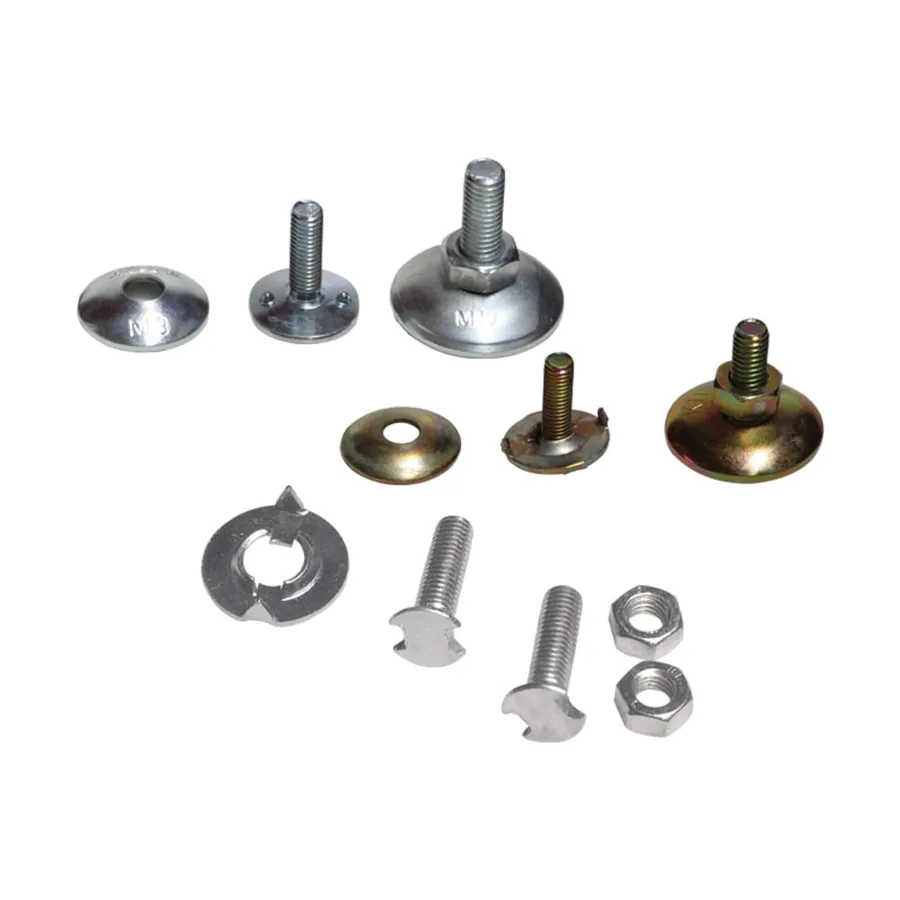
Bucket bolt holes should be punched to the bucket hole spacing and in straight alignment along the belt axis. Crooked holes make buckets sit askew and rub the casing. The belt ends are joined by an overlap or mechanical fasteners; the splice is the belt’s weakest point and should be checked regularly.
Signs it needs replacing
Frayed edges, torn or elongated bolt holes, cracks in the surface and no take-up left mean it is time to replace. Send us the elevator height, bucket size and belt width and we will prepare the right belt.